

Learning languages for travel can make every trip easier, kinder, and more meaningful.
You do not need to become fluent before you visit a country. Even a few simple words can help you order vegan food, ask questions, read labels, and connect with local people.
In this episode of The World Vegan Travel Podcast, Brighde chats with Wendy Werneth from The Nomadic Vegan about language learning for travel.
Wendy is a vegan traveler, writer, and polyglot. She loves languages and has used them to travel more confidently around the world.
This episode was originally recorded as part of a vegan travel online summit, so you may hear a few references to that in the audio.
“Updated for 2026: This post has been updated with current language learning tools where possible. Some apps and resources mentioned in the original episode have changed names or formats, but the advice is still very useful for vegan travelers.”
Meet Wendy from The Nomadic Vegan
Wendy Werneth is the creator of The Nomadic Vegan.
She helps vegan travelers explore the world without compromising their values. She is also a polyglot, which means she speaks several languages.
In this conversation, Wendy shares simple and practical ways to learn languages for travel, even if you only have a little time before your trip.
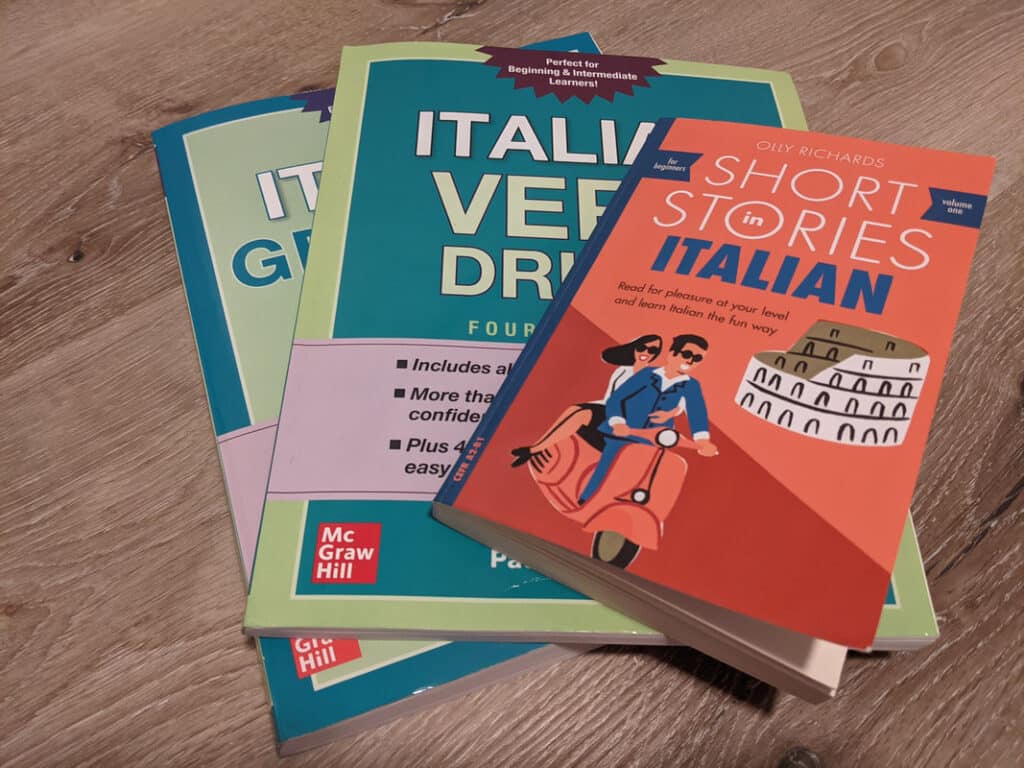
Why Learn Languages for Travel?
Learning even a little of the local language can completely change your experience.
It can help you:
- Order vegan food more clearly
- Ask about ingredients
- Read menus and food labels
- Use public transport more easily
- Show respect for local people
- Feel more confident while traveling
For vegan travelers, language is especially important because food words can help you avoid confusion.
Start with Useful Vegan Travel Phrases
You do not need to learn everything at once.
Start with the phrases you are most likely to use.
Helpful phrases include:
- Hello
- Thank you
- I am vegan
- I do not eat meat
- I do not eat fish
- I do not eat dairy
- I do not eat eggs
- Does this contain butter?
- Is this made with meat stock?
- Can you help me?
These phrases are simple, but they can make a big difference.
Learn Key Food Words
For vegan travel, food vocabulary is essential.
Before you travel, learn the local words for common animal products.
Useful words include:
- Meat
- Fish
- Chicken
- Pork
- Beef
- Milk
- Cheese
- Butter
- Egg
- Honey
- Gelatin
It also helps to learn words for foods you can eat, such as rice, beans, lentils, tofu, vegetables, fruit, bread, and pasta.
This makes menus and supermarket labels much easier to understand.
Use Translation Apps, But Be Careful
Translation apps can be very helpful.
Google Translate and Google Lens can help you read menus, signs, and food labels. They can also help you show a message to restaurant staff.
But translations are not always perfect.
For important food requests, it is best to prepare a clear vegan message before you travel. Save it on your phone so you can show it when needed.
Helpful Language Learning Tools
Brighde and Wendy discuss many language tools in this episode. Some have changed since the original recording, so this list has been updated for 2026.
Useful tools include:
- Duolingo
- italki
- Anki
- Quizlet
- HelloTalk
- Language Reactor
- Google Translate
- Google Lens
- Toucan by Babbel
- The Vegan Passport
Each tool does something slightly different.
Some help with vocabulary. Some help with speaking. Others help you understand real videos, menus, or conversations.
Language Reactor for Netflix and YouTube
In the original episode, Brighde talks about Language Learning with Netflix and Language Learning with YouTube.
This tool is now called Language Reactor.
It can help you watch videos and shows in your target language with helpful subtitles and translations.
This is useful because real spoken language can feel fast and difficult at first.
With Language Reactor, you can pause, repeat, and check words more easily.
Practice with Real People
One of the best ways to improve is to speak with real people.
Apps and websites like italki and HelloTalk can help you find teachers, tutors, or language exchange partners.
This can be a lovely way to connect with people before you travel.
You can learn about food, culture, daily life, and local customs.
For vegan travelers, these conversations can also become a gentle way to talk about veganism.
Watch, Listen, and Read in Your Target Language
Language learning does not have to feel like school.
You can also learn by enjoying content.
Try:
- Podcasts
- YouTube videos
- Netflix shows
- Music
- Simple news articles
- Children’s books
- Short social media captions
Even if you do not understand everything, regular listening helps your brain get used to the sounds and rhythm of the language.
Duolingo Podcasts Archive
Duolingo Podcasts are no longer producing new episodes, but the archive is still available.
These stories can still be useful for language learners because they are clear, interesting, and easier to follow than many native-level podcasts.
They can be a good option if you want extra listening practice.
The Vegan Passport
The Vegan Passport is another helpful tool for vegan travelers.
It explains what vegans do and do not eat in many languages.
This can be useful if you are traveling somewhere where the word “vegan” is not widely understood.
It is not a replacement for learning local words, but it can be a helpful backup.
Language Learning as Connection
One of the loveliest ideas in this episode is that language learning can help you feel connected to the world, even before you travel.
When Brighde was teaching and learning languages online, she spoke with people from many different countries.
Through those conversations, she learned about daily life, local culture, food, history, and politics.
Language learning can feel like a form of travel.
It helps you see the world through someone else’s eyes.
Final Thoughts
Learning languages for travel does not have to be overwhelming.
Start small.
Learn a greeting. Learn how to say thank you. Learn the words for meat, dairy, and eggs. Save a vegan phrase card. Practice with one app.
Every small step helps.
For vegan travelers, language learning can make travel safer, easier, and more enjoyable.
It helps you order food, connect with people, and move through the world with more confidence and respect.
🌍 Start Your Vegan Travel Journey
Get notified about our new vegan group tours and receive:
- A free vegan travel planning ebook
- An editable vegan language guide
- The ultimate packing checklist for stress-free packing
Join thousands of travelers who are discovering just how rewarding vegan travel can be.
Learn More About What We Discuss
- The Nomadic Vegan
- Vegan Passport
- Google Translate
- Google Lens
- Duolingo
- Duolingo Review
- Anki
- HelloTalk
- Toucan by Babbel
- InnerFrench Podcast
- ChinesePo
Other World Vegan Travel Content Connected With This Episode
- #11 | Travelling Across Russia by Train | Wendy, The Nomadic Vegan
- Handy Language Guide For Vegan Travelers in Rwanda
- Handy Vietnamese Language Guide for Vegan Travelers in Vietnam
- Handy Language Guide For Vegan Travelers in Thailand
- Handy Japanese Language Guide for Vegan Travelers to Japan
- Handy Italian Language Guide For Vegan Travelers to Italy