

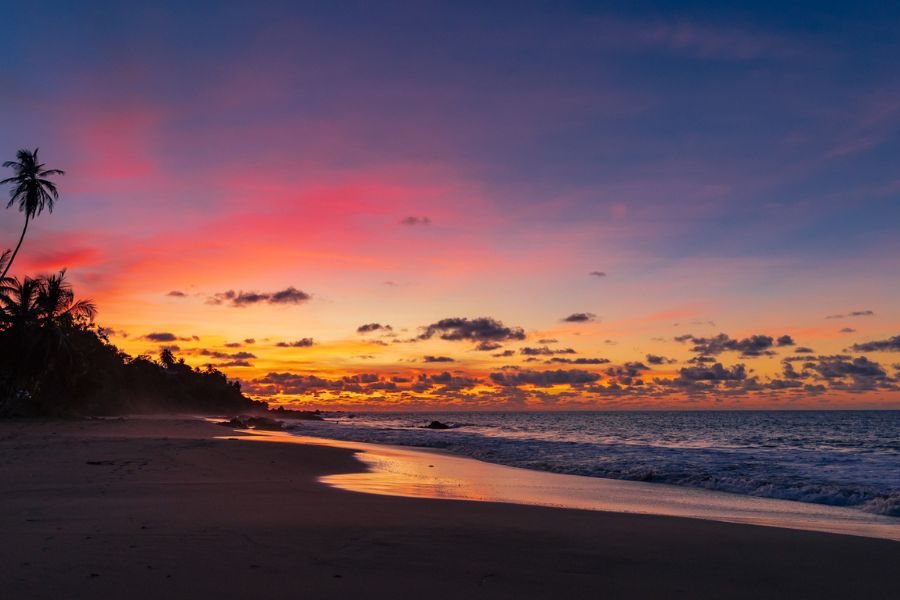
Birding in Trinidad and Tobago is full of surprises. In this episode of The World Vegan Travel Podcast, Brighde speaks with Faraaz Abdool, a wildlife photographer, writer, conservationist, birding guide, and safari guide from Trinidad and Tobago.
Faraaz helps people reconnect with the natural world through birding, wildlife tours, photography, writing, and meaningful travel experiences. His work is not only about spotting beautiful birds. It is also about slowing down, paying attention, and remembering that humans are part of nature too.
As Faraaz says in the episode:
“Somewhere along the way, we’ve lost our connection with Mother Earth.”
This conversation is perfect for anyone interested in Birding Trinidad and Tobago, Trinidad wildlife tourism, neotropical birdwatching, and vegan travel in the Caribbean.
Meet Faraaz Abdool: Wildlife Photographer, Writer, and Bird Guide
Faraaz Abdool is a conservationist and nature advocate from Trinidad and Tobago. He works as a wildlife photographer, writer, birding guide, safari guide, and tour agent.
His work takes him across the Caribbean, northern South America, and East Africa. Through his tours and photography, he helps travelers notice the living world around them in a deeper way.
Faraaz is also the author of Casual Birding in Trinidad & Tobago, a book created to help people enjoy the birds they see around them every day. He is now working on new photographic bird guides, including Birds of Trinidad & Tobago and Birds of the Lesser Antilles, with future releases expected through Bloomsbury Publishing.
Reconnecting with Nature: A Wildlife Photographer’s Mission
Faraaz’s approach to travel is rooted in connection. For him, birding is not only about ticking birds off a list. It is about being present.
He explains that birds are often the easiest wildlife to notice because they are all around us. Even from a window, you might see a dove, a hummingbird, or another small bird going about its day.
Bird photography also teaches patience. Faraaz jokes that the funny thing about birds is that they fly away. But that is also part of their magic.
The key, he says, is to respect their space. When travelers slow down and behave kindly around birds, they often get better experiences and better photos.
Why Trinidad & Tobago Are a Neotropical Birding Haven
Trinidad and Tobago is one of the best places for an introduction to neotropical birdwatching.
Faraaz explains that the islands are special because of their geological history. Trinidad and Tobago may be one country, but the two islands have very different natural stories.
This is one reason birding in Trinidad and Tobago is so exciting. In a short trip, travelers can move between forests, wetlands, mountains, mangroves, beaches, and coastlines. Each habitat has its own birds, plants, animals, sounds, and feeling.
Faraaz says one of the biggest surprises for visitors is how quickly the habitat can change. You might start the day in a cool mountain forest and end the afternoon in a mangrove swamp.
Continental vs. Oceanic: The Islands’ Unique Geological Stories
Trinidad was once connected to South America. Faraaz explains that it became an island when sea levels rose after the last Ice Age and flooded the land bridge between Trinidad and Venezuela.
Because of this, Trinidad has many plants and animals connected to South America.
Tobago has a different story. Faraaz describes Tobago as a piece of rock that has been drifting eastward for millions of years. That long history allowed unique wildlife to develop there.
He shares that around 31% of the birds that breed on Tobago are endemic subspecies. This means they are forms of birds found only on that island, even if they have not all been declared separate species yet.
For travelers, this makes Tobago a very special place to explore.
Flyways & Migrants: Birds from NYC to the Caribbean
Trinidad and Tobago also sits along important bird migration routes.
Faraaz explains that birds travel between North America and South America using routes called flyways. Some birds travel over Central America, while others travel over the Caribbean. When they take the Caribbean route, they can pass directly over Trinidad and Tobago.
This means travelers may see familiar bird groups like swallows, warblers, and thrushes. Faraaz also mentions the peregrine falcon, the fastest bird on Earth. It may be seen hunting pigeons in places like New York City, but in winter it can also be found in Trinidad and Tobago.
This is one reason Birding Trinidad and Tobago can feel both familiar and completely new at the same time.
Signature Tours: Primates, Hummingbirds & Mangroves
One of the experiences Faraaz describes is a primates and hummingbirds adventure on the eastern side of Trinidad.
This area is far from the busier western side of the island. The experience begins in a wetland on the east coast of Trinidad, where the Atlantic coast feels wild and ancient.
Travelers move through shallow mangrove channels by small, flat-bottomed boat. Because the area is tide dependent, timing is important.
The Eastern Wetlands: Primates, Manatees & Kingfishers
In the channels, travelers may look for kingfishers, herons, and manatees. Faraaz mentions the West Indian manatee, which is found in only a few places in the country.
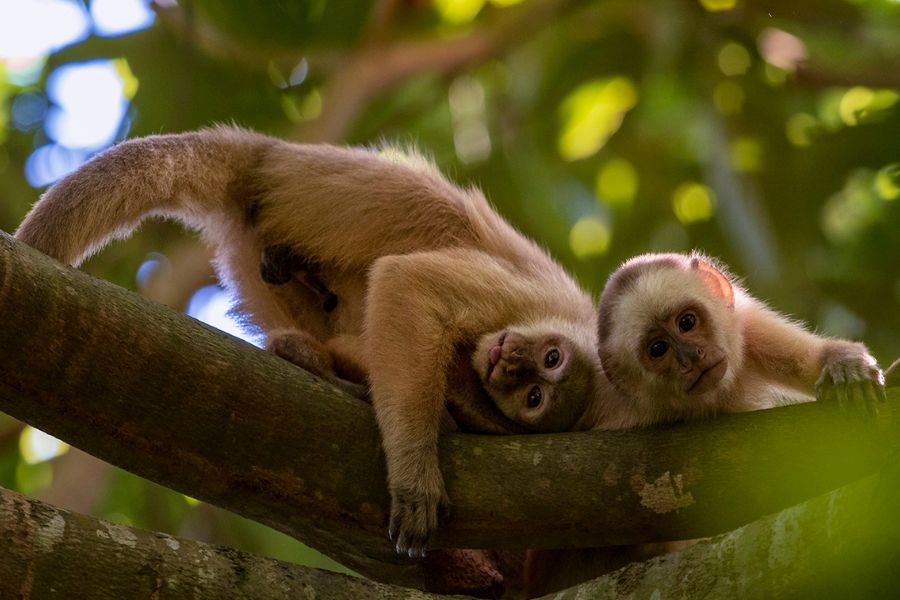
The area is also important because it is one of the places where visitors may see Trinidad’s two native primate species: the red howler monkey and the Trinidad white-fronted capuchin.
The Trinidad white-fronted capuchin is especially important because it is critically endangered and found only in Trinidad.
Faraaz is careful to explain that these are wild animals. There is never a guarantee of seeing them. But with the help of a local forester, guests can search for signs such as feeding areas, fruiting trees, and scat.
This also reflects Faraaz’s approach to tourism. Where possible, he works with local guides and community members so that tourism supports the people who live near these special places.
The Hummingbird Estate: “Every Color of the Rainbow”
After looking for monkeys, guests continue farther north into the forest.
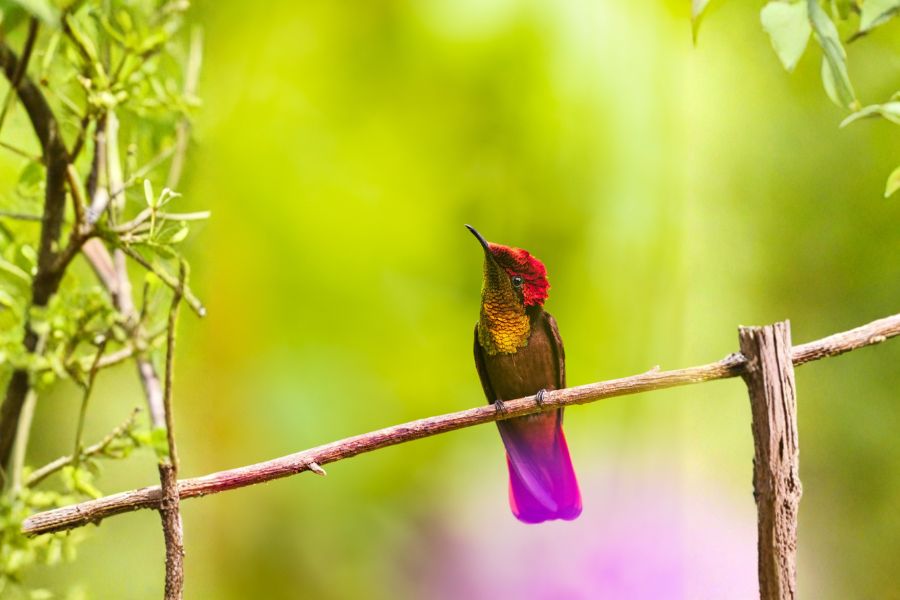
There, they visit a family estate in the hills, within a national park in the northeast. The estate has hummingbird feeders and fruit feeders, which bring birds close to guests.
Faraaz describes it as a place where birds come in “every color of the rainbow.”
A home-cooked, family-style meal is part of the experience too. But there is one problem: there are so many birds and so many distractions that guests sometimes find it hard to stop watching wildlife long enough to eat.
Brasso Seco: Farm-to-Table Vegan in the Mountain Village
Another special experience takes travelers into Brasso Seco, a remote mountain village in Trinidad.
Brasso Seco sits in the Northern Range, a mountain range that Faraaz explains is connected to the Andes. The drive takes guests from sea level into the mountains, along the Arima Blanchisseuse Road.
The journey itself is part of the experience. The road passes through old forest, mountain views, potholes, and wildlife sightings. Faraaz says it can take hours, not because the distance is so far, but because there is so much to see along the way.
Once travelers arrive, they can enjoy a farm-to-table style meal connected to local people, local farmers, and local ingredients.
Faraaz also clarified that Sweet Like Cashima is the name of the small “restaurant” connected to this Brasso Seco experience. It is not a big commercial restaurant. It is more personal: one man and his wife creating a special food experience in the village.
This is the kind of rural experience that many tourists never see. It is slower, quieter, and more connected to the land.
Cooking Sessions in Tropical Seclusion
Faraaz also shared more about cooking sessions and private chef experiences that may be part of his trips.
Some of these take place in peaceful, nature-rich settings like Hacienda Jacana, where the resident chef can host cooking sessions. Guests can enjoy a blend of relaxation, wildlife, and curated food.
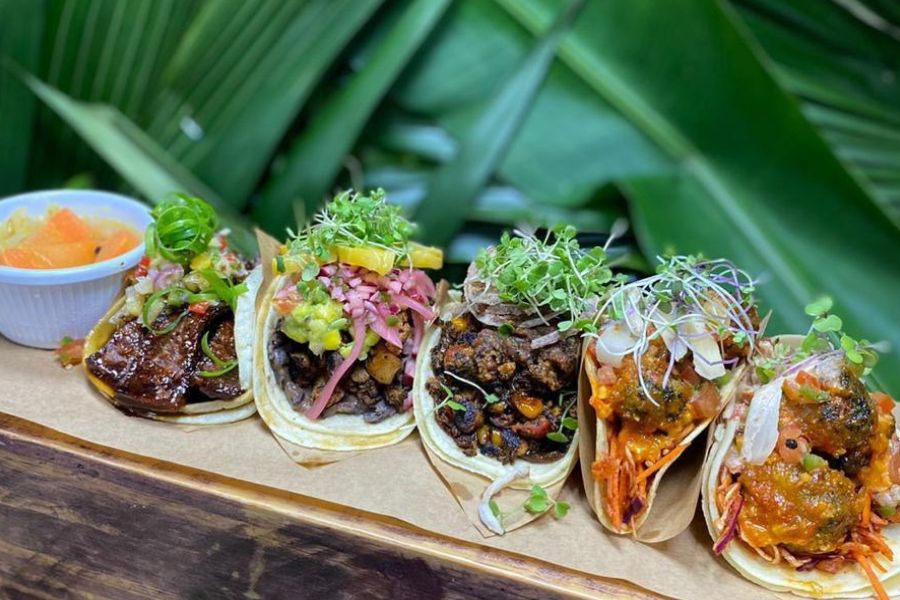
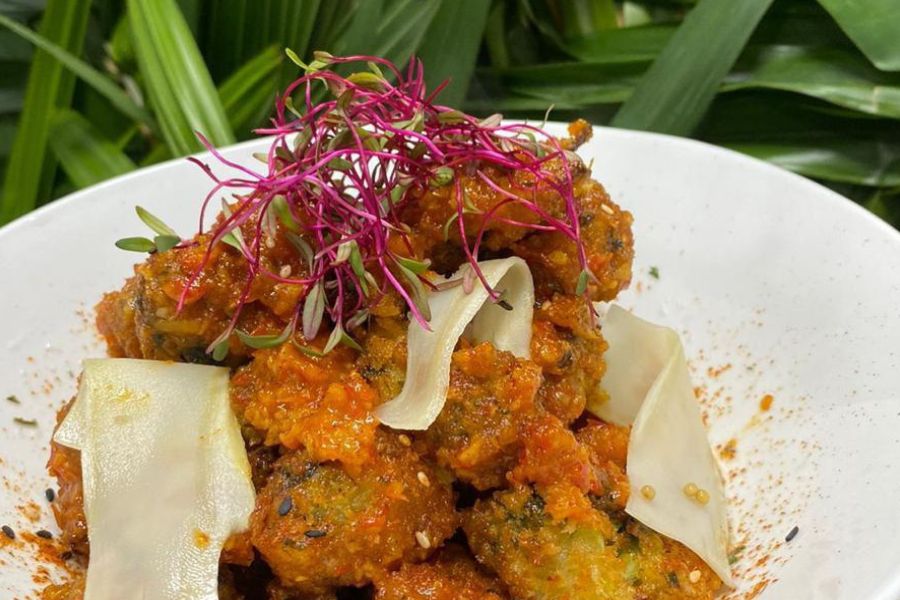
He also mentioned private chefs and food collaborators such as Desserts by Danielle and Hungry Nature TT, as well as country-style kitchens that are far from the usual tourist path. Faraaz also works with Freebird Restaurant, one of the places he takes guests to in the south of Trinidad. The food images featured in this post — including the Glazed Seitan, Soyrizo & Cauliflower Adobo Tacos and the Spiced Popcorn Broccoli — are courtesy of Freebird Restaurant.
For vegan travelers, this kind of experience can feel very special. Instead of simply searching for the nearest vegan restaurant, guests can enjoy food made by local people who understand the setting, the ingredients, and the mood of the journey.
Vegan in the Caribbean: Challenges & Creative Solutions
Faraaz is open about his own food choices. He says that most of his meals are vegan. He does not eat meat or fish, but he is not 100% vegan. Because he often travels to remote places as a tour leader, he sometimes makes practical choices when food options are limited.
This makes the conversation helpful and honest for vegan and vegan-curious travelers.
In Trinidad and Tobago, Faraaz says it is very easy to eat vegan most of the time. Tobago can be a little harder because there are fewer supermarket options. Smaller Caribbean islands, such as Grenada, St. Lucia, and St. Vincent, can be more difficult for fully vegan travelers unless they know where to go.
That is where local knowledge matters.
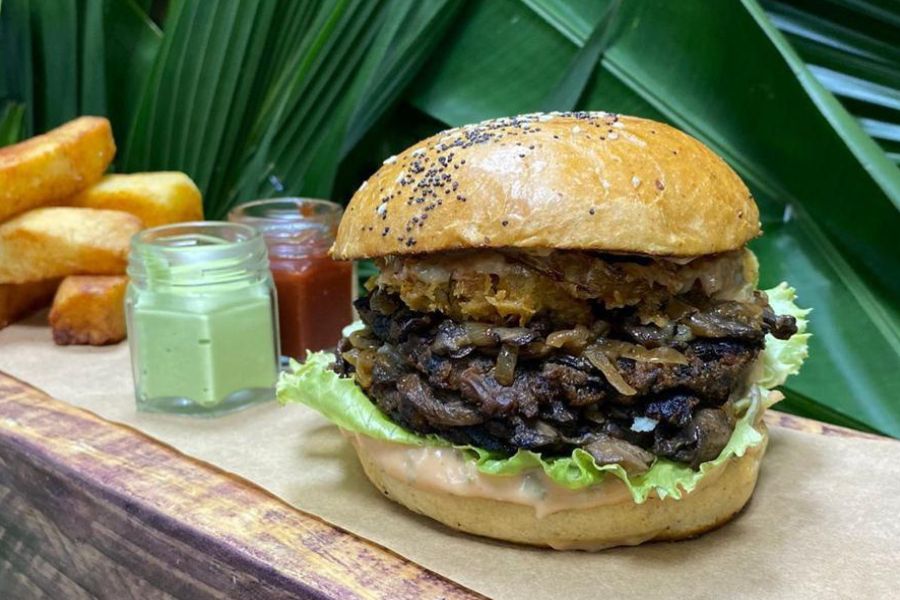
Faraaz often works with private chefs and people who love cooking vegan food. He also mentions creative vegan dishes, including a burger made with black bean, mushroom, and beet, served with caramelized onions in a plantain bun.
For anyone interested in vegan travel Caribbean experiences, this episode is a reminder that the best meals are often found through local relationships.
Seabirds, Coastlines, and Tobago’s Two Oceans
One of the most beautiful parts of the episode is Faraaz’s description of a seabird experience in Tobago.
He describes starting on the Caribbean Sea side of Tobago, traveling by boat around the northernmost islands, and then ending on the Atlantic Ocean side.
Along the way, guests can see seabird sanctuaries, multiple species of seabirds, open ocean, sea spray, mist, and dramatic rocks. Faraaz describes the seabirds catching the light like stars against the dark rocks.
It is a reminder that Trinidad and Tobago is not only about forests and hummingbirds. It is also a place of coastlines, ocean crossings, seabirds, turtles, and dramatic island landscapes.
Best Times to Visit: Nesting, Hatchlings & Hurricane Safety
The best time to visit depends on what you want to see.
Faraaz explains that around March to June, many birds are nesting and raising young. This means travelers may see interesting bird behavior.
March to June is also an important turtle nesting period. Around May into June, adult turtles are especially active on the beaches.
From June to September, bird activity may be a little quieter, but turtle activity increases because hatchlings begin to emerge.
For travelers who prefer cooler weather, December to February may be more comfortable. These are some of Trinidad and Tobago’s cooler months.
Faraaz also notes that Trinidad and Tobago is south of the Atlantic hurricane belt, which is helpful for travelers planning a tropical nature trip.
Coming Soon: A Comprehensive Bird Field Guide
Faraaz is currently working on a photographic guidebook to the birds of Trinidad and Tobago.
In the episode, he shares that the book is scheduled for release in 2027. It will cover around 320 species and will include photographs that help readers identify birds clearly.
This is different from taking artistic wildlife photographs. A field guide needs images that show the bird’s key features, including males, females, juveniles, and different angles.
Faraaz is co-authoring the book with the author of the current field guide to the birds of Trinidad and Tobago. He is also working on images of some of the more difficult species.
In addition, Faraaz’s bio notes that he is working on Birds of Trinidad & Tobago and Birds of the Lesser Antilles, both expected to be released in the coming years through Bloomsbury Publishing.
Faraaz’s Other Work: Tours, Safaris, Photography, and Books
Along with birding in Trinidad and Tobago, Faraaz also leads birding and wildlife trips in other places.
He works as an international birding guide and tour agent for destinations including the Caribbean, northern South America, and East Africa. In the episode, he mentions upcoming safari work in Uganda, Tanzania, and Kenya.
Travelers can also explore Faraaz’s photography, writing, tours, and books through his website.
He is the author of Casual Birding in Trinidad & Tobago, which introduces many of the common and iconic birds of the islands. It is designed for people who want to notice birds more deeply, even if they are new to birding.
Final Thoughts on Birding in Trinidad and Tobago
This episode is a beautiful reminder that travel can be more than sightseeing.
Birding in Trinidad and Tobago offers a way to slow down, notice small details, and reconnect with nature. From hummingbirds and toucans to monkeys, manatees, seabirds, turtles, and vegan meals in remote villages, Faraaz’s work shows how rich and meaningful wildlife travel can be.
For vegan and vegan-curious travelers, Trinidad and Tobago may not be the first place that comes to mind. But with the right local guide, it can become a deeply rewarding place for food, nature, and connection.
To plan a birding or wildlife experience with Faraaz, visit www.faraazabdool.com and follow @faraazabdool on Instagram and Facebook.
Learn More About What is Discussed on the Podcast
- Birding in Trinidad and Tobago
- Neotropical birdwatching
- Trinidad wildlife tourism
- The difference between Trinidad and Tobago’s natural history
- Migratory birds and Caribbean flyways
- Hummingbird photography in Trinidad
- The Trinidad white-fronted capuchin Red howler monkeys
- West Indian manatees Brasso Seco and rural mountain food experiences
- Sweet Like Cashima
- Hacienda Jacana
- Bajnath’s Estate
- Desserts by Danielle
- Hungry Nature TT
- Freebird Restaurant – one of the places he takes guests to in the south of Trinidad
- Vegan travel in the Caribbean
- Faraaz Abdool’s upcoming bird guidebook
- Faraaz’s birding and wildlife tours
Other World Vegan Travel Content Connected With This Episode
- Elephant Conservation in South Africa | A Scientist’s Mission
- Greater Kruger Vegan Safari | Our Scouting Trip
- Soi Dog Foundation: Compassionate Travel in Phuket, Thailand
- Vegan Costa Rica Travel | A Guide for Severe Food Allergies
- Vegan Travel in Ecuador | Guayaquil & Cuenca Adventures Part 1
- Vegan Travel in Ecuador | Exploring the Galápagos Part 2