

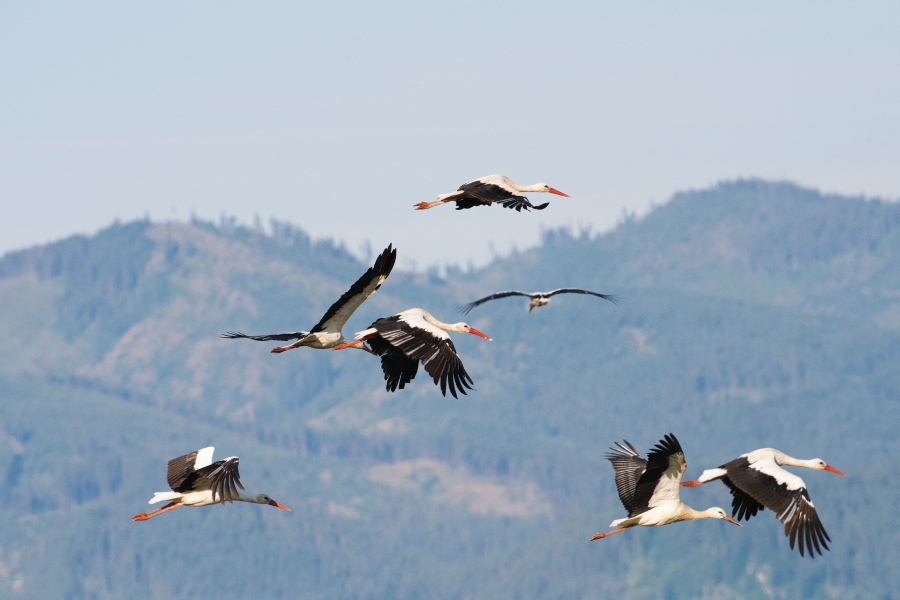
Imagine standing beneath thousands of White Storks as they circle above you, preparing to cross from Europe to Africa. They are so close that you can hear their feathers moving through the wind.
This is vegan birdwatching in Spain at the Strait of Gibraltar, one of the most exciting places in the world to witness bird migration.
In Episode 246 of The World Vegan Travel Podcast, Brighde talks with Simon Tonkin, tour guide, conservationist, and co-owner of Inglorious Bustards. Simon lives near Tarifa in southern Spain, just 14 kilometers from the coast of Morocco.
Together, they explore the incredible East Atlantic Flyway, the challenges migratory birds face, and what it is like to experience this natural spectacle on a birdwatching tour.
They also talk about something that is often overlooked in wildlife tourism: food.
For Simon, choosing plant-based food, supporting sustainable agriculture, and protecting wildlife are all connected.
From Childhood Fascination to a Life of Birdwatching
Simon’s love of birds began when he was very young.
As a child growing up in Plymouth in the UK, he borrowed his father’s binoculars without permission and headed out to explore an estuary. He returned many hours later covered in estuarine mud. The binoculars were covered too!
Instead of getting into too much trouble, Simon eventually got to keep them.
His fascination with nature continued. Simon later spent 15 years working for the RSPB, the Royal Society for the Protection of Birds. Much of his work focused on agriculture, sustainable land use, conservation, and policy.
He also worked for Conservation Grade and became involved in conservation projects in several countries.
Eventually, Simon and his wife and business partner, Niki, made their home close to the Strait of Gibraltar.
Today, they combine conservation with wildlife tourism through Inglorious Bustards tours and the Flyway Birding Association.
What Is the East Atlantic Flyway?
A flyway is a route used by migrating birds.
The East Atlantic Flyway connects areas of sub-Saharan Africa with western and northern Europe. Huge numbers of birds travel along this route every year.
For many of them, the Strait of Gibraltar is a critical part of that journey.
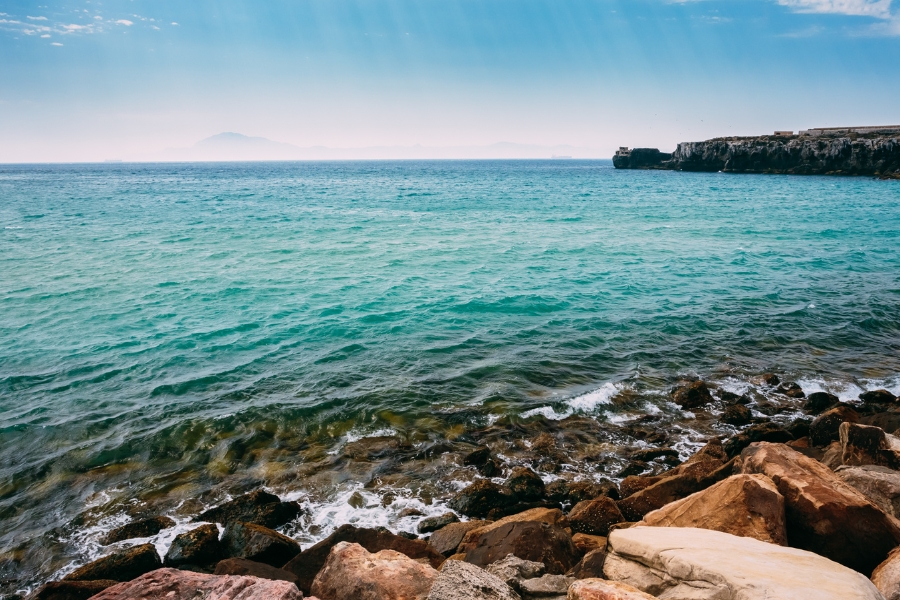
At its narrowest point, only around 14 kilometers separate Spain from Morocco.
That may not sound very far. However, for some birds, crossing open water is a major challenge.
The Strait of Gibraltar: 14 Kilometers of Bird Spectacle
The geography of southern Spain creates an extraordinary natural bottleneck for migrating birds.
This is especially important for soaring birds such as storks, eagles, vultures, and kites.
On land, these birds use rising columns of warm air, called thermals, to gain height. That allows them to travel long distances while using very little energy.
Over the sea, however, there are no thermals.
Why Birds Struggle With Sea Crossings
Once a soaring bird leaves land and flies over the water, it begins losing height.
That makes the crossing much more demanding.
The winds around the Strait add another challenge. Birds have to judge when and where to begin their crossing. They may also need to change direction and use the wind much like a sailboat does.
Simon describes the coastline as a constantly changing stage.
One day, the best migration activity might be at one watchpoint. A change in the wind can suddenly move the action farther along the coast.
That is where local knowledge matters.
Simon and Niki follow the conditions and move between watchpoints to place guests in the best possible position to experience the migration.
A Young Bird’s First Journey
For juvenile birds, the journey is even more remarkable.
They may be making this crossing for the first time.
They must leave the safety of land and head over open sea as part of a migration covering enormous distances.
Some do not succeed. Others complete the crossing and continue towards their wintering grounds.
Watching that journey unfold gives visitors a very different understanding of bird migration.
White Stork Migration: “You Can Hear the Feathers in the Wind”
One of the great spectacles of bird migration at Gibraltar is the movement of White Storks and Black Kites.
Simon says that, at the right time, around 10,000 White Storks can cross in a single morning. Around 20,000 Black Kites may also be moving through the area.
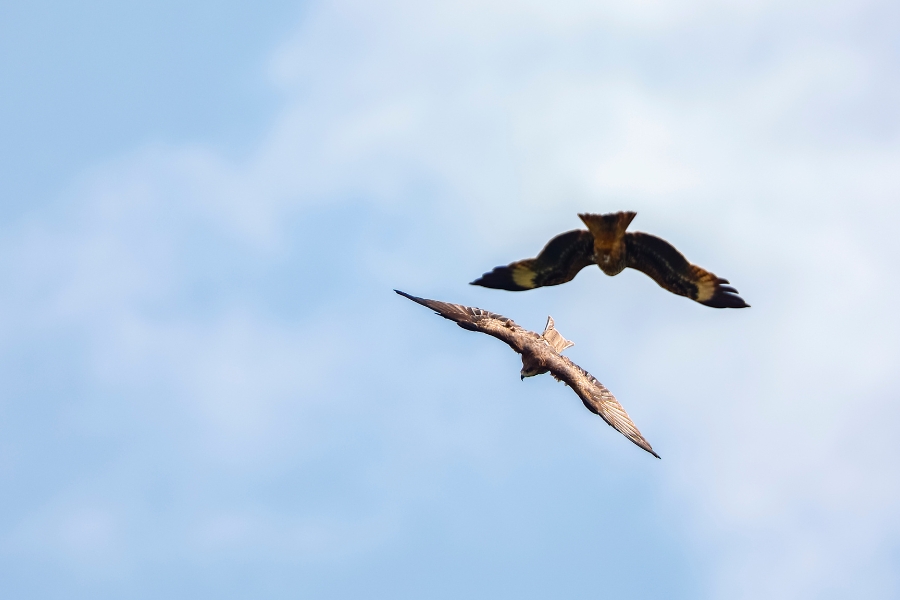
Sometimes the birds gather directly above the people watching them.
As Simon explains in the podcast:
“You can hear the feathers in the wind.”
For Brighde, who is also a keen amateur birder, the scale of the migration brought to mind the famous wildlife migrations of East Africa.
Yet bird migration on this scale is something many travelers know very little about.
And the birds are not the only wildlife to watch.
The meeting of the Mediterranean Sea and Atlantic Ocean creates rich marine conditions around the Strait. Depending on the experience, visitors may also see dolphins and whales.
That can make deciding where to look rather difficult. Sometimes the wildlife spectacle is happening above you and below you at the same time!
Vegan Birdwatching in Spain
Spain may not be the first country that comes to mind when travelers think about easy vegan food.
Simon often hears the question: how can you be vegan or vegetarian in Spain?
His experience is very different from that assumption.
Food plays an important role on Inglorious Bustards tours. Simon explains that their approach is largely vegan and vegetarian, and they are open with guests about why they make those choices.
For him, food is closely connected with land use.
Agriculture changes habitats. It affects the amount of land used to produce food and the wildlife that can survive there.
As Simon puts it, the fork may be one of the biggest conservation tools we have.
That philosophy carries through to the food guests enjoy.
On day tours, for example, guests may have a picnic in the countryside while continuing to watch migrating birds. Inglorious Bustards works with local producers and suppliers to provide organic and sustainably produced food.
Instead of treating vegan or vegetarian meals as an inconvenience, food becomes part of the wildlife and conservation story.
When Food Production Helps Birds
One fascinating example Simon discusses is traditionally produced salt from the Bahía de Cádiz.
The salt is harvested by hand from shallow salt pans.
Those shallow pools also provide feeding areas for migratory shorebirds. Birds traveling long distances need places where they can stop and refuel.
Because the water is shallow, small shorebirds can reach the food they need.
It is a simple example of how traditional food production and wildlife conservation can sometimes work together.
Visitors can even discover edible plants associated with the salt pans, including salicornia.
For Simon, stories like this help people understand the connection between what is on our plates and what happens in the natural world around us.
Birdwatching Beyond Spain: Morocco
The Strait of Gibraltar does not end at the Spanish coastline.
Morocco is only a short ferry journey away, yet crossing that narrow stretch of water brings visitors into a very different landscape.
Some Inglorious Bustards tours combine Spain and Morocco.
Guests can spend time at Huerta Grande, a sustainable ecolodge surrounded by forest on the Spanish side of the Strait, before continuing into Morocco.
There, the experience may include wetlands that support the remaining Moroccan Marsh Owls, as well as the forests of northern Morocco.
Simon also talks about seeing wild Barbary macaques and visiting the famous blue city of Chefchaouen.
Nearby, the mountains offer another side of Morocco’s wildlife and landscapes.
The result is a journey that combines birdwatching, conservation, food, culture, and very different habitats within a relatively small geographical area.
Following the Flyway to The Gambia
To understand migration, it helps to follow the birds beyond Europe.
Many birds passing through the Strait continue south towards Africa. That is why Inglorious Bustards also operates a tour in The Gambia.
Simon has been visiting The Gambia since he was 19.
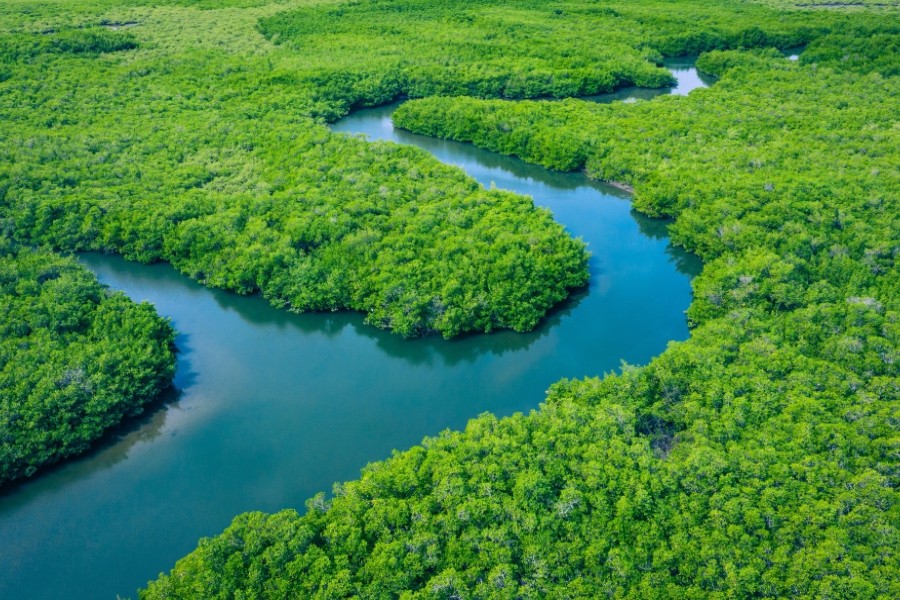
The River Gambia creates valuable habitat within the Sahel region and provides important areas for both resident and migratory birds.
Conservation is a major part of the tour.
Simon and his team work with the Gambian Bird Watchers Association, including on mangrove restoration.
Mangroves provide shelter and feeding habitat for birds. They are also important for local communities and fish populations.
Simon describes returning to restored mangrove areas and seeing them filled with kingfishers, bee-eaters, and other wildlife.
For him, seeing those habitats recover is one of the most emotional parts of the work.
Carbon-Balanced Wildlife Travel
Sustainability goes beyond the meals served on tour.
Simon explains that Inglorious Bustards balances the carbon footprint of its tours through the World Land Trust.
Importantly, that calculation includes food.
The team measures the carbon impact of the food served during a tour, rather than looking only at transport and accommodation.
Simon says their work with the World Land Trust also helped contribute to a calculator that other tourism operators can use.
Their aim is not to claim that one small company can solve every environmental problem.
Instead, Simon sees value in showing what is possible.
If smaller travel businesses test better approaches, larger companies may follow or find ways to improve on them.
That is an important part of sustainable wildlife travel.
What Does a Typical Birdwatching Day Look Like?
If the thought of a birdwatching holiday brings to mind a 4:00 AM alarm, Simon has some good news.
In the Strait of Gibraltar, days can be surprisingly relaxed.
A typical day may begin with breakfast around 8:00 AM.
Because the accommodation is surrounded by nature, guests can already be watching birds while enjoying their morning coffee.
By around 9:00 AM, the group heads out.
Driving times are often short because many of the key sites lie within a relatively compact area.
The day might include a migration watchpoint, wetlands, or a boat trip looking for marine wildlife.
At the watchpoints, guests can settle into chairs and watch the migration overhead.
Lunch is often one of the Inglorious Bustards field picnics, using local and sustainably produced ingredients.
Then, after a full day outside, guests return to their accommodation in the early evening.
There is time to relax, talk about the day’s wildlife sightings, enjoy dinner, and prepare for another day.
You Don’t Need to Be an Expert Birder
Perhaps one of the most reassuring parts of Simon’s message is that vegan birdwatching tours are not only for expert birders.
Some guests arrive worried that they will not know enough.
That is not the point of the experience.
Simon says Inglorious Bustards welcomes people with different levels of knowledge. What matters is curiosity and an interest in nature.
One of his favorite stories shows why.
While leading a group, Simon spotted a Booted Eagle carrying a satellite tag. He contacted a conservation project in Spain and discovered that the bird was called Maya.
Her movements were being tracked.
Later that year, Simon was at another watchpoint when a tagged Booted Eagle appeared overhead.
It was Maya again.
Following an individual bird like Maya turns migration from an abstract idea into a personal story.
Suddenly, one bird connects different places, seasons, habitats, and people.
How Vegan Food and Conservation Connect
Throughout the conversation, one idea keeps returning: wildlife tourism should help protect the wildlife and landscapes people have traveled to see.
For Simon, that includes thinking about food.
Plant-based meals can reduce the pressure our food systems place on land. Supporting organic and sustainable producers can also help travelers understand where food comes from and how land is managed.
Most importantly, Simon does not want these conversations to feel like lectures.
Instead, guests can experience the connection for themselves.
They can eat a picnic while thousands of birds migrate overhead. They can visit landscapes shaped by food production. They can see restored mangroves filled with wildlife.
That makes conservation something tangible.
Experience the East Atlantic Flyway
The East Atlantic Flyway is one of nature’s great highways.
At the Strait of Gibraltar, that highway narrows dramatically as birds gather between Europe and Africa.
For travelers, it offers the chance to witness White Storks, Black Kites, eagles, vultures, marine wildlife, and much more.
However, Simon Tonkin’s approach to birdwatching goes beyond identifying species.
It connects wildlife with food, farming, habitat protection, local communities, and the choices we make when we travel.
And whether you are an experienced birder or someone who simply stops to admire the birds outside your window, you can be part of that story.
You can also learn more about Simon’s work, upcoming tours, sustainability initiatives, and conservation projects through Inglorious Bustards and the Flyway Birding Association.
Learn More About What is Discussed on the Podcast
- Inglorious Bustards – Learn more about Simon and Niki’s birding and wildlife tours in the Strait of Gibraltar, Spain, Morocco, The Gambia, and along the East Atlantic Flyway.
Visit Inglorious Bustards - The Flyway Birding Association – Discover the conservation work Simon discusses and how the organization supports birds and habitats along the East Atlantic Flyway.
Visit the Flyway Birding Association - Learn More About the East Atlantic Flyway – BirdLife South Africa has a useful explanation of this huge migration corridor, which connects breeding and wintering areas across Europe and Africa.
Explore the East Atlantic Flyway - World Land Trust – Carbon Balanced – Simon talks about Inglorious Bustards measuring and balancing the carbon footprint of its tours, including food. Learn more about the World Land Trust’s Carbon Balanced program here.
Learn About Carbon Balanced
Other World Vegan Travel Content Connected With This Episode
- La Garrotxa a Hidden Gem in the North of Spain | Marc Iwen
- Seville Vegan Tours: Flamenco, Tapas, Sunshine – Why you should add Seville to your must-visit list in Spain | Bruno and Marta | Ep 97
- Rated V Food: Vegan Foodie Shares Three Favorite Cities in Spain | Eunice Reyes | Ep 87
- S4 Ep 7 | Traveling Spain as Vegans | Be Bold and Venture
- Meson Mudejar Hotel | A Vegan Travel Story from Southern Spain