
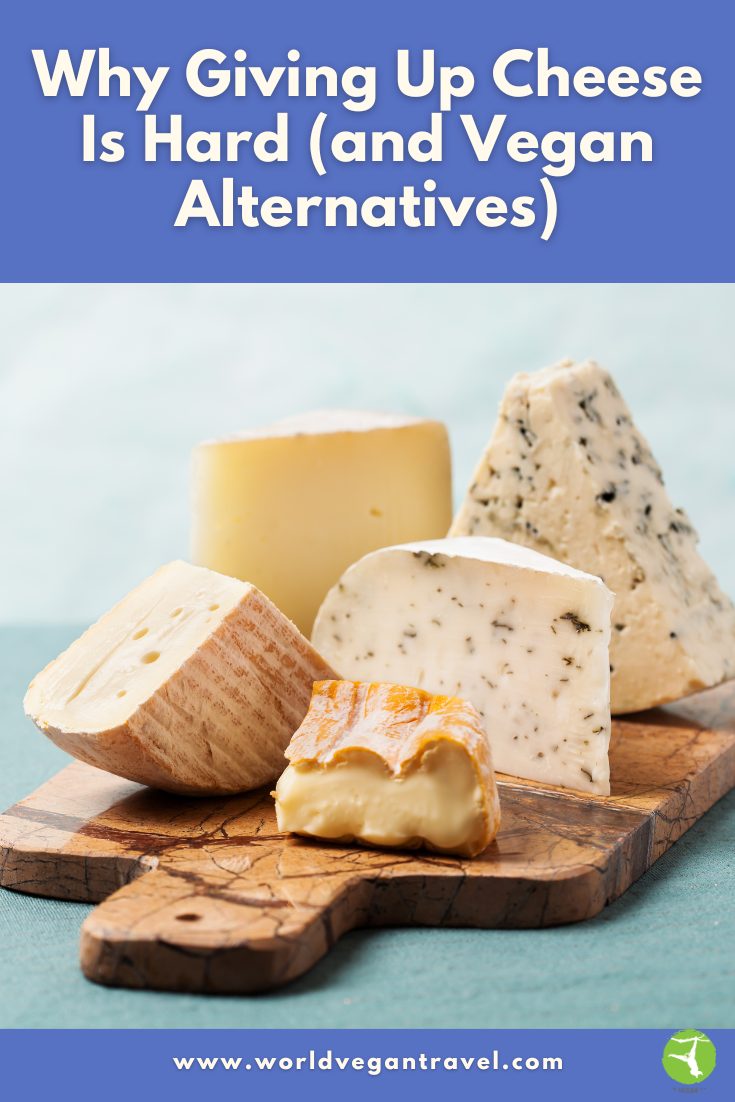
Welcome to Step 6 of our 13 Steps to Go Vegan program! Today we’re talking about something almost everyone struggles with when they move toward a vegan lifestyle…
Cheese. Yes, cheese!
Even if you aren’t following the full challenge, this guide will help you understand our deep love for cheese and show you how to enjoy delicious vegan alternatives instead.
🧀 Why Cheese Is So Hard to Give Up
For many people, cheese feels like the last thing standing between them and a fully vegan lifestyle. You may have eaten cheese since childhood, and it shows up everywhere:
pizza, pasta, sandwiches, snacks, wine nights, comfort food… and it tastes really good!
You’re not imagining it — cheese can actually be addictive. It contains casein, a milk protein that breaks down into casomorphins, which act a little like mild opiates in the brain. So yes, cheese makes your brain feel happy… and makes you want more.
But even though giving it up feels huge, so many people discover that once they switch, they don’t miss dairy cheese at all.
Let’s explore why people choose to leave cheese behind.
❤️ Health Problems Linked to Dairy Cheese
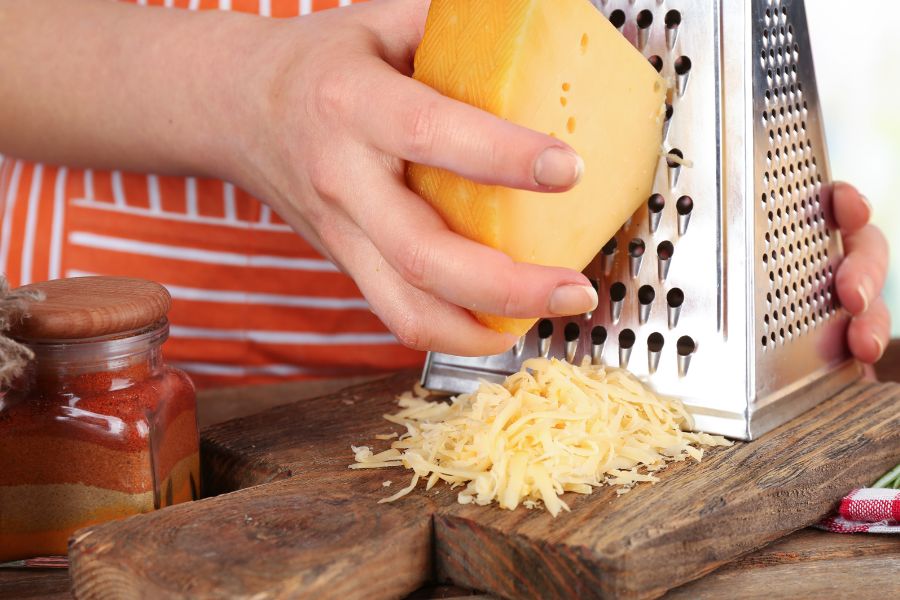
Cheese is one of the highest-fat foods in the modern diet — and most of that fat is saturated fat. This type of fat is strongly linked to:
Cheese also contains cholesterol, which plants do not. Even small amounts eaten daily can affect long-term health.
If you’re curious about the science, doctors like Dr. Michael Greger have lots of easy-to-understand videos about how plant-based diets help prevent and even reverse disease.
🌍 Environmental Impact of Dairy Cheese
Dairy cheese has a surprisingly large footprint.
To make just 1 pound (500g) of cheese, you need around 400 gallons (1,500 liters) of water. That’s more water than many meats require.
Cows also produce methane, a powerful greenhouse gas. So choosing vegan cheese can help lower your climate impact dramatically.
🐮 Ethical Reasons to Skip Dairy Cheese
This is the part many people don’t know about until they start learning.
Cows only make milk when they have a baby.
So on dairy farms, they are repeatedly impregnated — not naturally, but through artificial insemination.
They carry their babies for nine months, just like humans.
But shortly after birth — often within 1–2 days — the calf is taken away so the milk can go to humans instead.
- Male calves are usually killed for veal.
- Female calves become dairy cows and repeat the same cycle.
A cow can naturally live 14 years, but dairy cows are usually slaughtered at 4–5 years old when their bodies are worn out.
Once people learn this, the idea of dairy cheese often becomes less appealing.
🧀 So… What Now? Are Vegan Cheeses Any Good?
The great news is: yes!
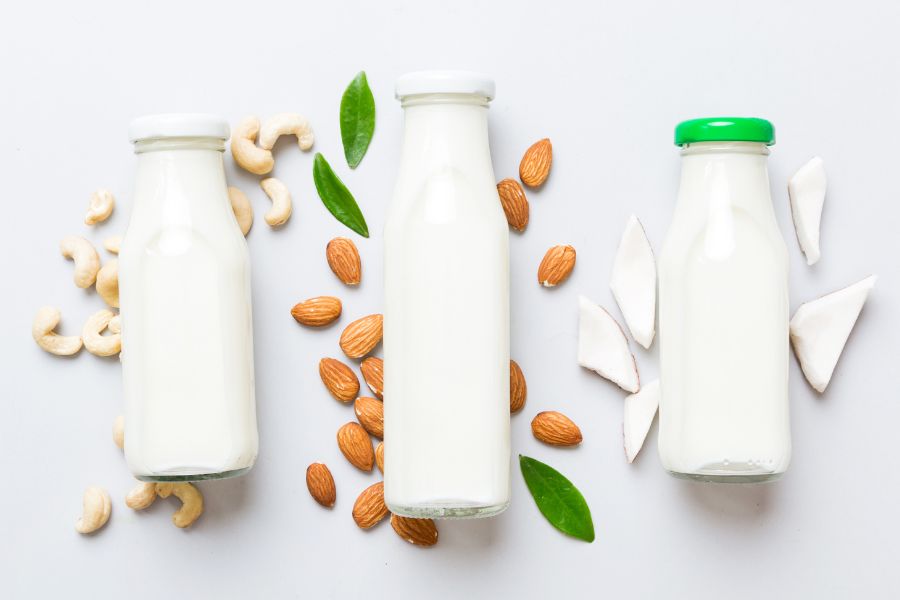
Vegan cheese has come a long way — and now there are amazing options made from:
- cashews
- almonds
- coconut
- soy
- potatoes and carrots
- oats
There are vegan versions of all your favourites: mozzarella, cheddar, parmesan, brie, blue cheese, cream cheese, and more.
And the best part? You can enjoy the taste and texture you love without hurting your health, the planet, or animals.
👣 Your Step 6 Challenge
Try exploring vegan cheese this week!
Pick one of these simple helpful ideas:
- Add vegan cheddar to a sandwich
- Melt vegan mozzarella on pizza night
- Try a creamy cashew-based brie
- Make your own simple plant-based cheese sauce
- Ask your local café about their vegan cheese options
You might be surprised at how easy it is to switch — and how tasty it can be.
✉️ Want More Tips? Join Our Newsletter!
Get vegan travel tips, easy recipes, and guides like this straight to your inbox.
Join the World Vegan Travel newsletter today!
💬 Let’s Discuss!
Do you have questions about dairy cheese, vegan cheese, or the switch in general?
Have a favorite vegan cheese brand you love?
Share your thoughts in the comments — we’d love to help and hear what’s working for you!