
Protecting Elephants and Ecosystems in the Greater Kruger
Imagine a six-ton animal that can travel up to 65 kilometers in a single day, remembers ancient migration routes passed down through generations, and may even sense environmental changes before humans do.
Now imagine protecting that animal while also supporting the farmers whose crops may be destroyed when elephants pass through their land.
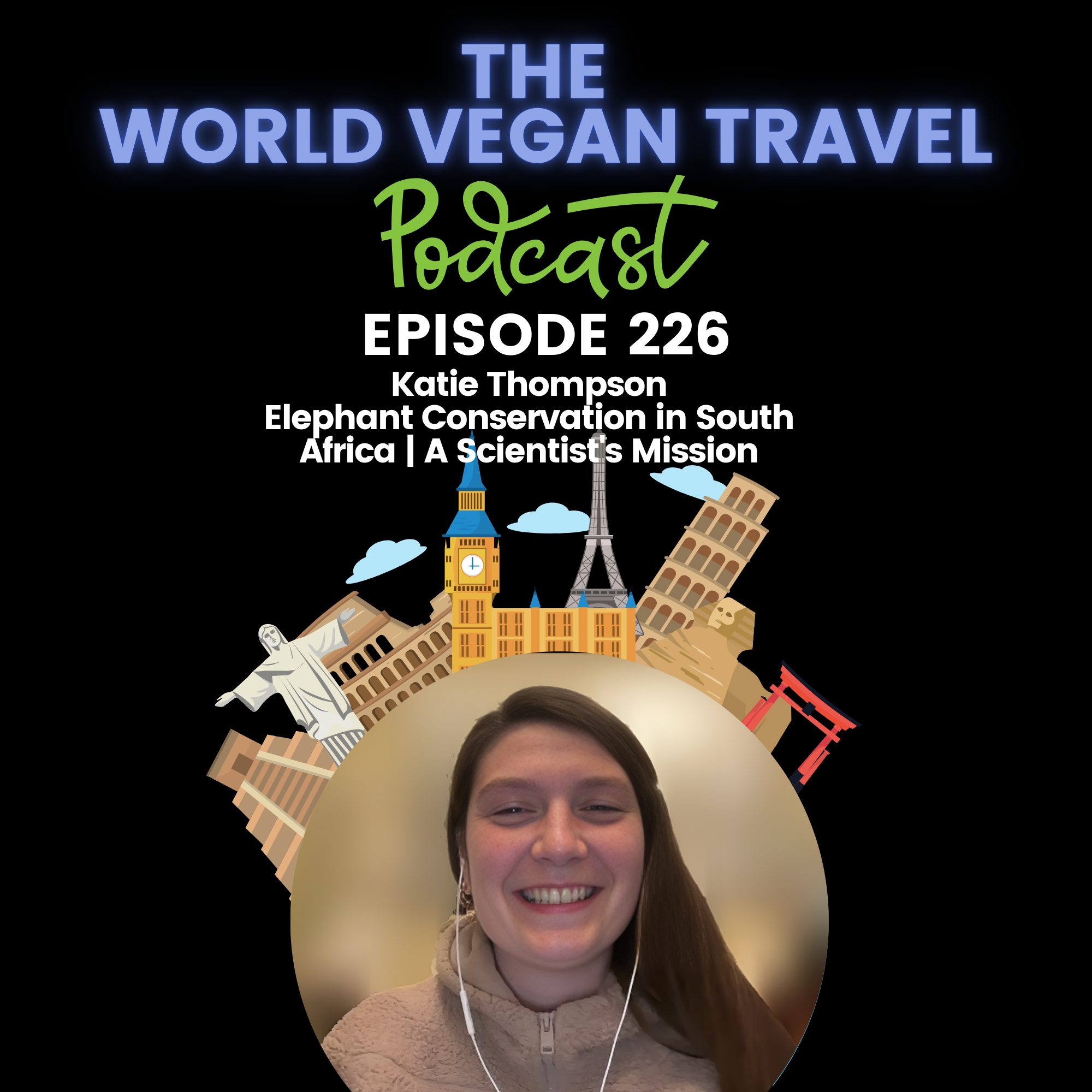
This complex challenge lies at the heart of elephant conservation in South Africa, and it’s exactly the work being carried out by Dr. Katie Thompson, Programme Director for the Elephants Alive organization in the Greater Kruger region.
In this episode of The World Vegan Travel Podcast, Katie shares how science, community partnerships, and innovative solutions are helping humans and elephants coexist.
From Wildlife Documentaries to PhD: A Conservationist’s Path
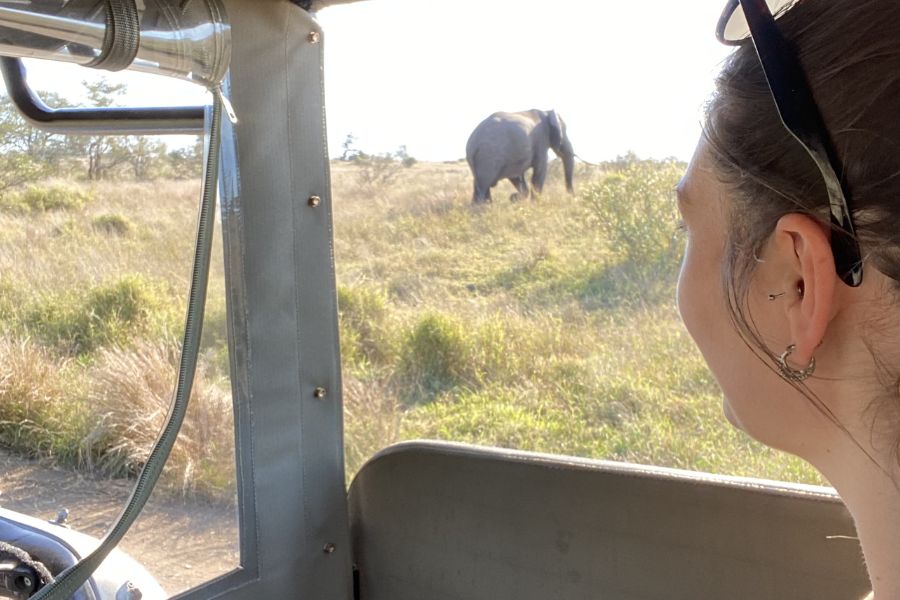
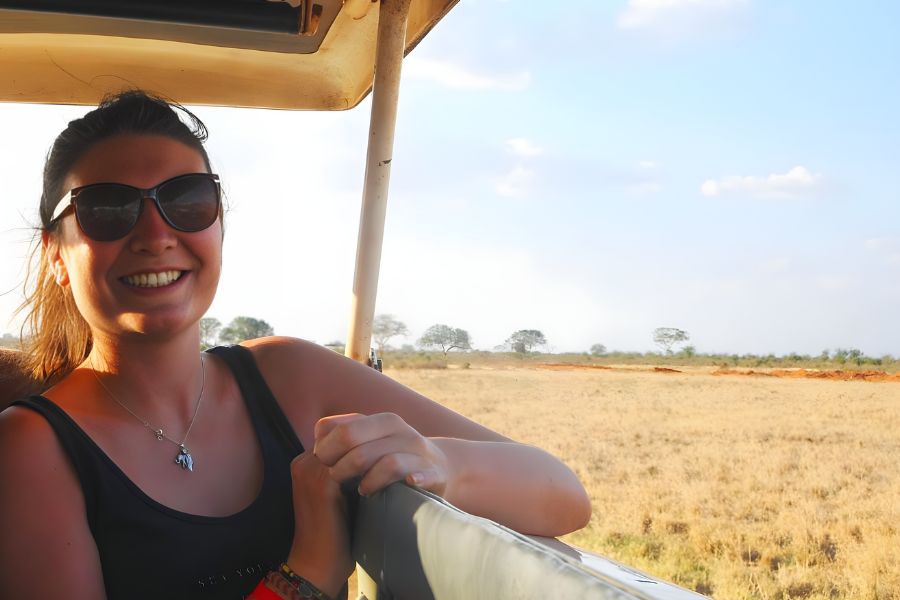
Katie’s journey into conservation began in childhood while watching wildlife documentaries. Those early glimpses of Africa’s ecosystems sparked a lifelong fascination with wildlife and a determination to see these landscapes in person.
During university, she traveled to Tanzania and climbed Mount Kilimanjaro. But it was a two-month conservation internship in 2016 that truly shaped her career. Working closely with elephants and studying their ecological role revealed just how important they are to entire ecosystems.
Elephants are often called “ecosystem engineers.” Through their feeding, movement, and migration patterns, they help shape landscapes, disperse seeds, and create habitats that support countless other species.
That realization led Katie to pursue a PhD in elephant conservation, anchoring her passion in rigorous scientific research.
Elephants 101: Ancient Pathways, Seismic Senses & Ecological Roles
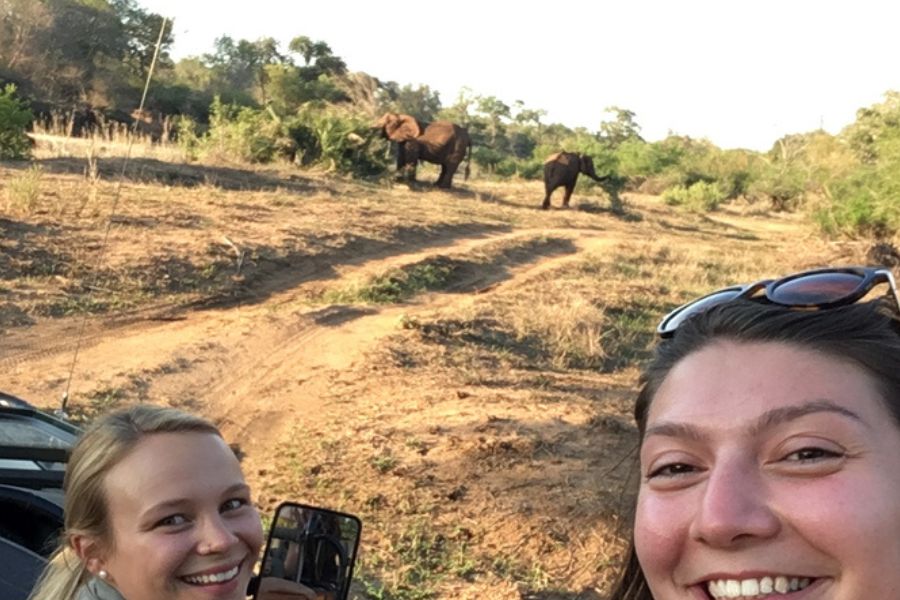
Elephants are among the most intelligent and socially complex animals on Earth. Their behaviors reveal an extraordinary relationship with the environment around them.
One fascinating discovery highlighted in the conversation is that elephants are afraid of bees. This seemingly simple fact has led to one of the most innovative human-wildlife conflict solutions used today.
Elephants also move enormous distances — sometimes up to 65 kilometers in a single day — following migration routes their families have used for generations.
In one remarkable observation, a blind elephant moved away from a river days before severe flooding occurred. Scientists suspect elephants may detect subtle seismic or environmental signals long before humans do.
Their awareness reminds us how much there still is to learn about these animals and their place in the ecosystem.
The Conflict: When Elephants and Farmers Collide
Despite their ecological importance, elephants often come into conflict with humans.
Across the Greater Kruger elephants ecosystem, wildlife areas border villages where many families depend on small farms for survival. When elephants enter these areas, they may raid crops, destroy fields, or damage infrastructure.
For farmers, the loss of a harvest can mean losing an entire year’s income.
But the conflict isn’t simply about elephants seeking food. Research suggests crop-raiding may sometimes occur because elephants are searching for nutrients lacking in their natural environment, particularly during changing weather patterns.
Traditional responses like fencing or culling rarely solve the problem long term. Instead, conservation groups like Elephants Alive focus on solutions that support both wildlife and communities.
Innovative Solutions: Beehives, Chili Bombs & Watchtowers
Conservation strategies today rely heavily on science-based experimentation and collaboration with organizations such as Save the Elephants research initiatives and local partners.
The Science of Deterrence: What Elephants Hate
One effective approach involves beehive fences. Because elephants instinctively avoid bees, placing beehives around farmland can keep them away from crops.
Another method uses chili deterrents, sometimes called “chili bombs.” Elephant dung mixed with chili powder releases a scent elephants dislike, encouraging them to move away without harm.
Lights, loud sounds, and other deterrents are also used to safely redirect elephants away from villages.
From Problem to Profit: Honey, Crops & Market Chains
These methods do more than protect crops — they also create economic opportunities.
Beehive fences produce honey that can be sold by local communities. Researchers have also identified crops elephants dislike, allowing farmers to plant protective buffer zones that double as marketable products.
This approach turns a conflict into an opportunity for sustainable community income.
Community at the Core: Educating Children & Empowering Grandmothers
A key part of Elephants Alive organization programs is education.
Katie describes initiatives where conservationists work with children and community elders, often referred to locally as “gogos” or grandmothers. These programs aim to shift perceptions of elephants from dangerous pests to valuable members of the ecosystem.
By engaging multiple generations, conservationists hope to create long-term cultural change that supports coexistence between people and wildlife.
Surviving the Floods: Resilience in the Greater Kruger
Recently, the Greater Kruger region experienced extreme flooding near the Olifants River.
The floods damaged conservation infrastructure and disrupted communities across the region. Emergency evacuations were required, and many conservation teams had to pause their work while recovery efforts began.
Despite the devastation, Katie highlights the remarkable resilience of the people and organizations working in the region. Collaboration between conservation groups, local communities, and partners such as the Black Mambas anti-poaching unit has been essential for rebuilding and continuing conservation efforts.
A Vegan in the Bush: Travel Tips for Conscious Travelers
Katie has been vegan for more than five years and integrates those values into both her work and travel.
She shared several vegan-friendly travel experiences, including:
- La Vimea, a pioneering vegan hotel in Italy known for its wellness focus
- Shompole Wilderness in Kenya, which offers creative plant-based cuisine
- The growing vegan travel South Africa scene, including cafés near Hoedspruit
These experiences demonstrate that ethical travel is increasingly accessible, even in destinations traditionally associated with meat-heavy diets.
Why Elephant Conservation Matters
Protecting elephants is about more than saving a single species.
Elephants help maintain ecosystems that support countless plants, animals, and communities. Their migration routes connect landscapes, their feeding patterns shape habitats, and their presence supports tourism economies.
As Katie explains:
“Conservation requires balancing ecological science with compassion for the people who share land with wildlife.” – Katie Thompson
Listen to the Episode
In this episode of The World Vegan Travel Podcast, Dr. Katie Thompson shares her experiences working on the frontlines of elephant conservation in South Africa and explains how innovative strategies are helping protect both elephants and communities.
Support Elephant Conservation
If you’d like to learn more or support the work discussed in this episode, visit:
Planning Ethical Wildlife Travel?
If you’re planning a safari or wildlife experience, choosing ethical operators is essential for protecting animals and supporting conservation.
Explore more resources and travel stories on our website.
Learn More About What is Discussed on the Podcast
- Elephants Alive – Learn about the conservation projects, research, and community initiatives helping protect elephants in the Greater Kruger region.
- Human–Elephant Conflict Solutions – Discover how tools like beehive fences, chili deterrents, and watchtowers help farmers and elephants safely coexist.
- The Role of Elephants in Ecosystems – Explore how elephants act as “ecosystem engineers,” shaping landscapes and supporting biodiversity.
- The Black Mambas Anti-Poaching Unit – Meet the all-female ranger team working to protect wildlife and reduce poaching in the Greater Kruger area.
- Ethical Vegan Travel in Africa – Tips and experiences for traveling responsibly while supporting wildlife conservation and vegan-friendly destinations.
Other World Vegan Travel Content Connected With This Episode
- Rescuing Elephants: Hidden Forest’s Inspiring Mission
- Elephant Haven – A Sanctuary for Europe’s Circus and Zoo Elephants | Tony Verhulst and Sofie Goetghebeur | Ep 95
- The First Plant-Forward Safari Lodge in Africa | Helene Sinisterra
- Exploring Vegan Hospitality in South Africa: An Interview with Marian from Old Joe’s Kaia
- The Timbavati, Game Reserve in South Africa – A Vegan Paradise | Hayley Cooper | Ep 114
- Five Best Places in South Africa to see The Big Five | Ingrid Geertsema | Ep 105
- Vegan Solo Travel | Seeking Peace Across 11 Countries