

When I first started eating plant-based, tofu felt like a mystery. I didn’t know what to do with it or how to make it taste good. But once I learned the basics, it became one of my favorite ingredients to cook with. It’s healthy, affordable, and can take on almost any flavor you like. This beginner’s guide will show you what it is, how it’s made, and how to make it delicious.

What It Is
Tofu is made from soybeans and water. It starts as soy milk, which is gently thickened and pressed into soft white blocks. Depending on how much water is removed, it can be silky and smooth or firm and chewy. Think of it like a blank canvas — perfect for soaking up marinades and spices.
Is It Vegan?
Yes, completely. It’s made only from soybeans, water, and a natural setting agent. There’s one exception called egg tofu, which contains eggs and has a yellow color — so it’s easy to spot if you read the label.
A Little History
This simple food was first made in China over 2,000 years ago and has since become part of cuisines around the world. You’ll find it in Japanese soups, Thai curries, Vietnamese rolls, and now in kitchens everywhere.
🍽️ The Different Types
Each type feels a little different and works best for certain dishes:
| Type | Texture | Best For |
|---|---|---|
| Silken (Soft) | Smooth and delicate | Desserts, smoothies, sauces |
| Medium Firm | Soft but holds shape | Soups, pan-frying |
| Firm | Dense and chewy | Stir-fries, grilling |
| Extra Firm | Very dense | Baking, slicing |
💡 Tip: Firmer varieties are easiest to start with — they don’t fall apart when cooking.
🧮 Quick Nutrition Facts
| Type | Calories | Protein (g) | Fat (g) |
|---|---|---|---|
| Silken / Soft | 60 | 5 | 3 |
| Medium Firm | 60 | 6 | 3 |
| Firm | 70 | 7 | 4 |
| Extra Firm | 80 | 8 | 4.5 |
It’s rich in plant protein, low in fat, and full of helpful minerals like calcium, magnesium, and iron.
Make your own (optional but fun)
If you like DIY projects, you can make tofu at home. The steps are simple, but you’ll need a few tools.
Tools & ingredients for firm homemade tofu
- Blender: To blend soaked soybeans with water.
- Large pot with lid: To heat the soy milk.
- Fine mesh strainer + cheesecloth: To separate milk from pulp (okara).
- Tofu mold + weight: To press curds into a firm block.
- Coagulant: Nigari (magnesium chloride) or food-grade gypsum (calcium sulfate). Follow the recipe’s amount.
Basic idea: Soak and blend soybeans → heat the milk → add coagulant to form curds → ladle curds into a cheesecloth-lined mold → press → chill.
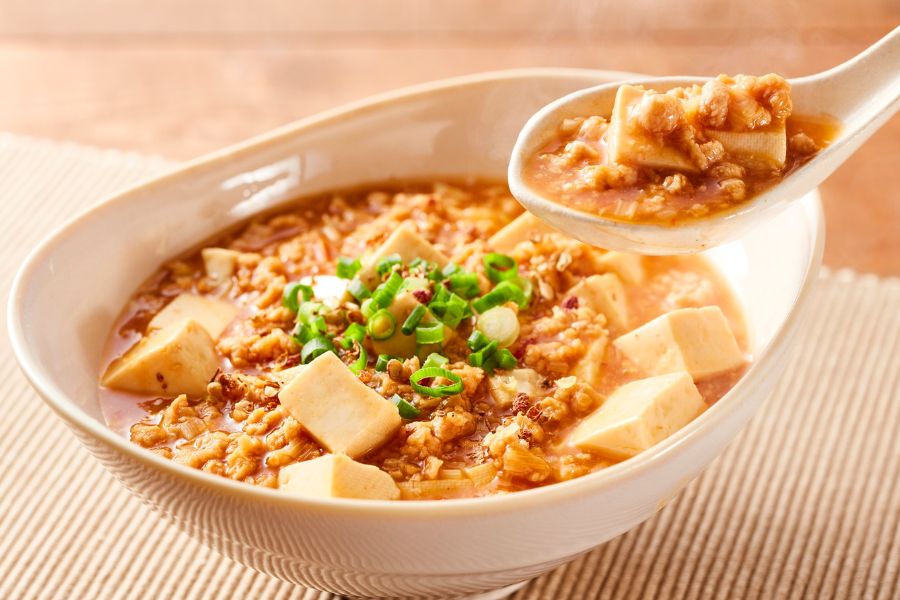
How To Make It Tasty
On its own, it doesn’t taste like much — and that’s the beauty of it!
Here’s how to make it shine:
- Press it: Wrap it in a clean towel and place something heavy on top for 20 minutes to remove excess water or use a tofu presser.
- Marinate it: Use soy sauce, lemon juice, or your favorite spices.
- Cook it: Bake, grill, fry, or even air-fry until golden and crisp.
- Crumble it: For a quick breakfast, cook it with turmeric and a little salt — it looks just like scrambled eggs.
What’s okara?
Okara is the fibrous pulp left after straining soy milk. Don’t toss it — use it in veggie patties, “crab” cakes, or baking. It’s high in fiber and protein.
How to use each type (quick ideas)
- Silken (soft): Blend into smoothies, dressings, puddings, mousse; cube into miso soup.
- Medium firm: Cube for soups, gentle sautés, light pan-frying.
- Firm: Stir-fries, sheet-pan bakes, crispy nuggets, sandwiches, ricotta-style spreads.
- Extra firm: Skewers, cutlets, kebabs, oven bakes, grilling.
🧰 Tools & Ingredients for Firm Homemade Tofu
If you’ve ever wanted to make tofu from scratch, here’s what you’ll need — and yes, it’s easier than it looks! Each link below goes to one of Brighde’s recommended kitchen tools that she personally uses or loves.
- High-Powered Blender – This blends soaked soybeans and water into smooth soy milk. A powerful blender gives you creamier results and saves time.
- Large Pot with Lid – Perfect for heating the soy milk before adding your coagulant. Choose a sturdy pot that distributes heat evenly.
- Fine Mesh Strainer – Use this with cheesecloth to separate the soy milk from the bean pulp (called okara).
- Cheesecloth – Line your strainer and tofu mold with this breathable fabric. It helps you drain out every last drop of liquid while keeping the curds together.
- Tofu Mold and Press – A small box with drainage holes and a lid that lets you press the curds into a block. This step gives your tofu its firm, sliceable shape.
💡 Tip: If you don’t have a tofu mold, you can use a small plastic container with holes poked in the bottom and a clean jar or can as a makeshift weight!
Why People Love It
It’s affordable, easy to find, and incredibly versatile. You can use it in curries, salads, sandwiches, or desserts. Once you’ve cooked it a few times, you’ll see why it’s a favorite in vegan kitchens everywhere.
♻️ Waste Less
If you ever make it from scratch, don’t throw away the leftover soybean pulp (called okara). It’s full of nutrients and great for veggie patties or baking. Many Asian grocery stores also sell fresh blocks in tubs, so you can skip the plastic packaging.
Learn More With World Vegan Travel
Want to explore more plant-based basics? You might enjoy:
- The Ultimate Vegan Kitchen Tools and Utensils Guide
- Best Vegan Cookbooks for Thanksgiving & Christmas
- Best Vegan Drinks for the Holidays
💬 Let’s Chat!
What’s your favorite way to cook it? Share your tips or recipes in the comments — we’d love to hear from you! 🌿