
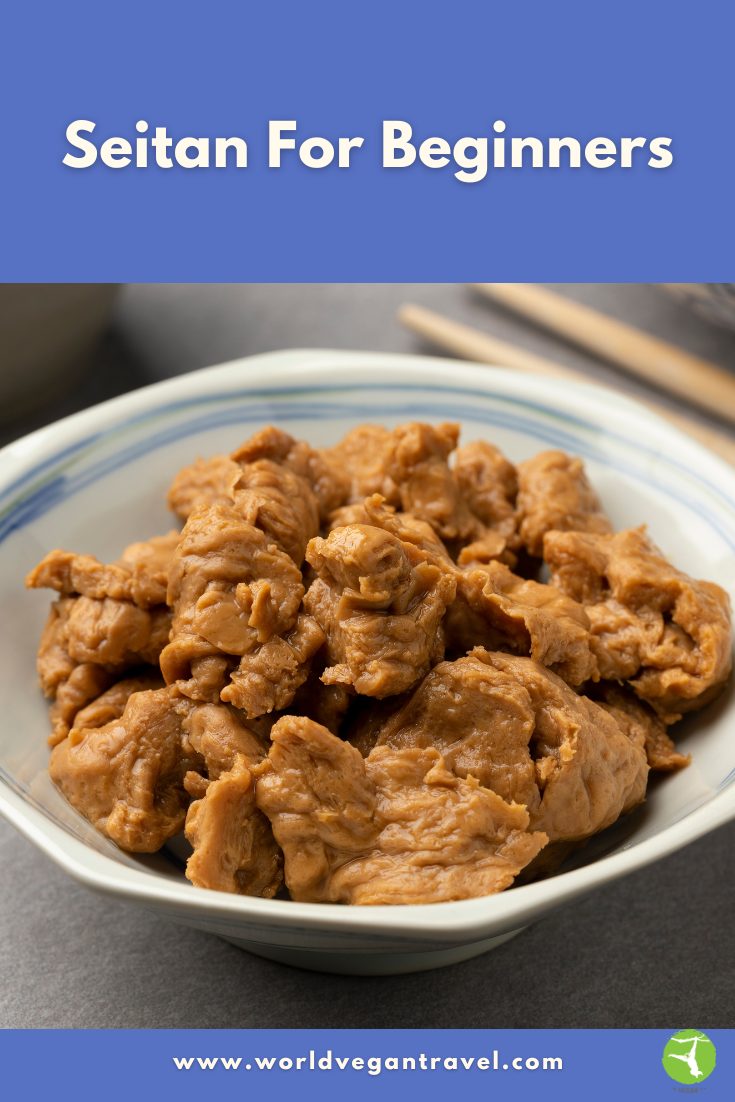
If you’re new to vegan cooking, you might already know tofu and tempeh… but there’s another high-protein star that many people still misunderstand: seitan. It’s one of the oldest plant-based meats in the world, yet many beginners don’t know what it really is, how to use it, or why it has such an impressive “meaty” texture.
So today, we’re taking you on a simple, friendly journey into the world of seitan — perfect for seitan beginners who want to learn the basics without the complicated science or recipes.
What Is Seitan?
Seitan is often called “wheat meat.”
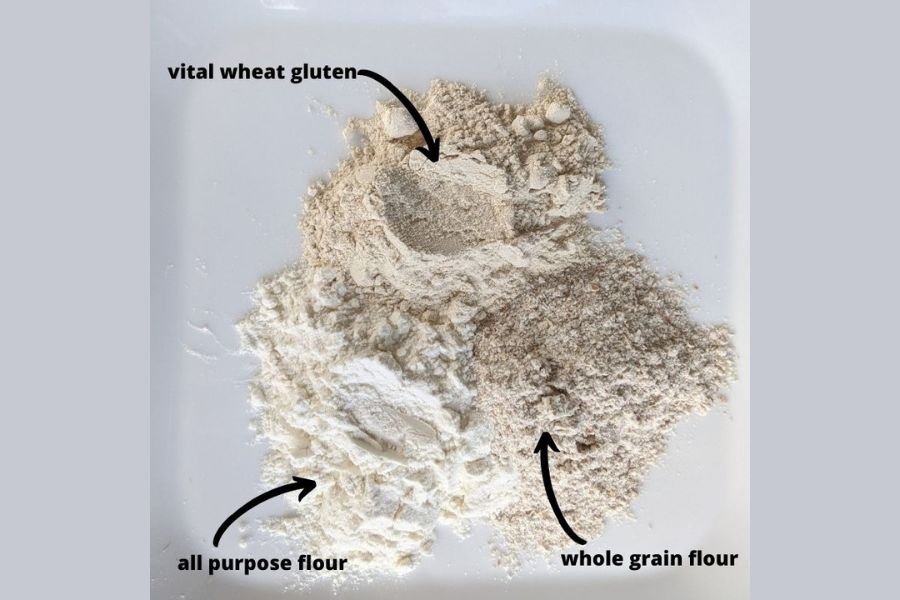
It’s made from vital wheat gluten — the protein of wheat — mixed with seasonings and water, then cooked by steaming, boiling, or baking.
When prepared well, seitan becomes chewy, tender, and wonderfully meat-like. You can slice it, shred it, grill it, fry it, marinate it, or turn it into everything from vegan turkey to mock beef strips.
Even though people sometimes confuse seitan with tofu, the two are very different. Tofu is made from soybeans, while seitan comes entirely from wheat protein.
How Do You Pronounce Seitan?
Many seitan beginners laugh when they hear the name — because it sounds like “satan.”
But don’t worry, this food is not evil… it’s delicious!
Here’s the correct way to say it:
- SAY-tan (stress on the first syllable)
The word comes from Japan and has been around since the 1960s, although the food itself is much older.
Is Seitan Vegan?
Yes!
Seitan is naturally vegan because it’s made from wheat protein, herbs, and spices. While a few recipes could include non-vegan ingredients, most store-bought seitan is sold as a vegan meat alternative.
Where Did Seitan Come From?
Seitan has been enjoyed in Asia for over a thousand years.
It was originally made for Buddhist monks who avoided meat for religious reasons. From China, it spread to Japan, Vietnam, and eventually the rest of the world.
For many years, Westerners mostly encountered seitan in Chinese restaurants as mock duck. But things changed in the 1990s when companies like Tofurky brought seitan into mainstream vegan cooking. Today, it’s used in everything from vegan ribs to pepperoni to BBQ skewers.
What Does Seitan Taste Like?
On its own, seitan is quite mild.
But like tofu, it absorbs whatever flavours you add — which makes it incredibly versatile. Most good seitan recipes include soy sauce, nutritional yeast, garlic, herbs, and spices to create a savoury, meaty flavour.
If you’ve ever had a really convincing vegan “duck” or “beef” dish at a Chinese restaurant, you’ve probably already tasted seitan.

What Does Seitan Feel Like?
Texture is a big part of why people love seitan. It can be:
- Spongy when boiled in water
- Firm and sliceable when wrapped tightly during cooking
- Crispy on the edges when pan-fried
- Tender and juicy when simmered in broth
If you try one type and don’t love the texture, try another. The cooking method makes a huge difference.
What Is Vital Wheat Gluten?
Vital wheat gluten is the main ingredient in seitan.
It’s made by washing regular flour until the starch rinses away, leaving behind pure wheat protein. This protein creates the stretchy, chewy texture that mimics meat so well.
Where Can You Buy Seitan?
Supermarkets
Many grocery stores now carry seitan. Look in:
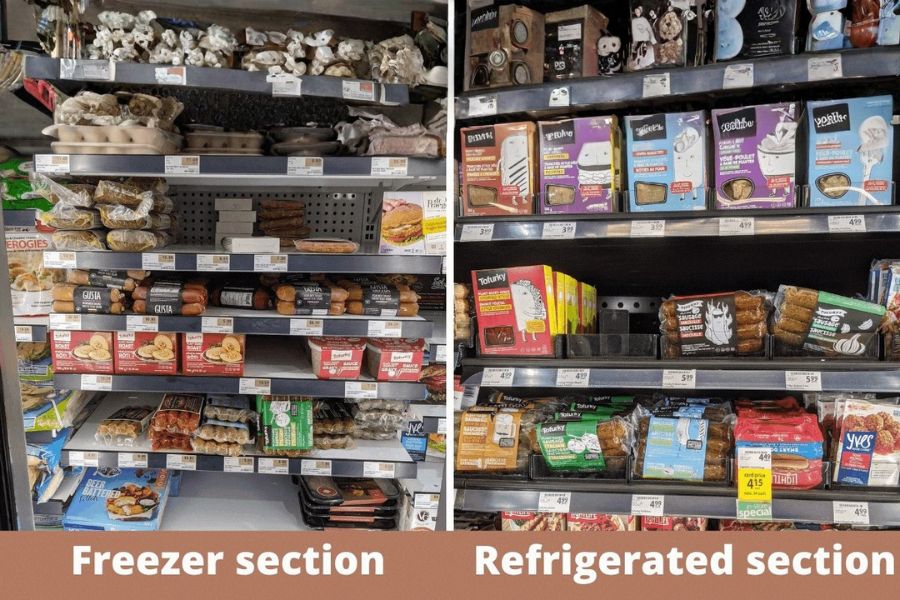
- The vegan meat section (refrigerated)
- The freezer aisle
- The baking or health section for vital wheat gluten
Health Food Stores
Often the easiest place to find seitan products and gluten flour.
Online
Many brands ship directly to your home. Some small local producers even make fresh seitan as a cottage business.

How Do You Know If a Product Contains Seitan?
Some brands avoid using the word seitan because it’s unfamiliar.
To check the ingredients:
✔ Look for vital wheat gluten listed first.
That means it’s seitan.
You’ll find seitan shaped like:
- Burgers
- Sausages
- Ribs
- Turkey roasts
- Taco crumbles
- Stir-fry strips
It’s extremely versatile.
Is Seitan Highly Processed?
It depends on your definition.
If “highly processed” means chemical isolates — then no, seitan is not highly processed.
If you mean “not in its original natural form” — then yes, seitan is a processed food.
But ingredients are simple: wheat protein, water, herbs, and spices.
Is Seitan Nutritious?
Yes — especially for people seeking high protein.
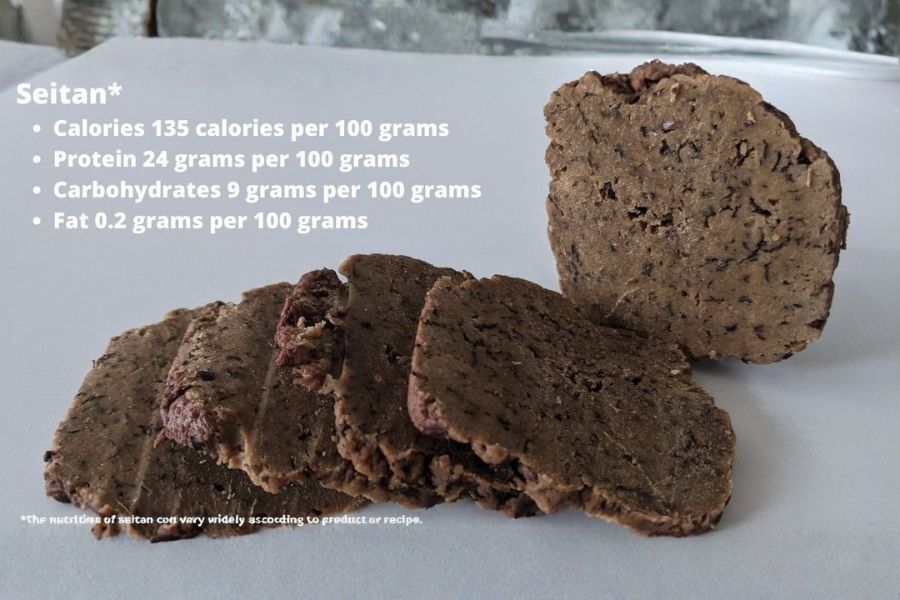
Here’s a simple look per 100g:
- Protein: 24g
- Calories: 135
- Fat: almost zero
- Carbs: low
Seitan is not a complete protein, but pairing it with other foods easily balances your amino acids.
Is Seitan Safe for Special Diets?
- Soy-free? Yes (unless soy sauce is added)
- Gluten-free? Absolutely not — seitan is gluten
- Low-carb/keto? Yes, with only ~9g carbs per 100g
- GMO-free? Wheat is not a GM crop, though added ingredients may vary
- If the seitan recipe you are using asks for soy sauce, you could substitute soy sauce for an alternative like coconut aminos.
How Is Seitan Made at Home?
Most home cooks use vital wheat gluten because it’s fast and easy.
You mix it with:
- Spices
- Broth
- Tomato paste
- Oil
- Flavorings
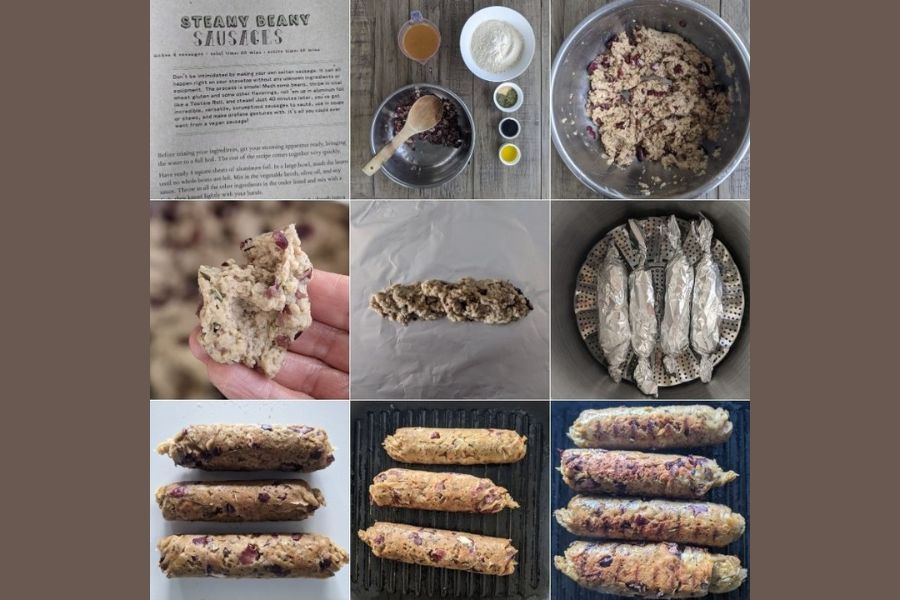
Then knead, shape, and cook by boiling or steaming.
You can make seitan the ancient way by rinsing flour repeatedly, but it’s time-consuming and doesn’t absorb flavour well.

Tools You Might Need
Most kitchens already have everything, but these tools help:
- Stockpot
- Steamer basket
- Pressure cooker or Instant Pot
- Cheesecloth for firm roasts
- Stand mixer or food processor (optional)
- Foil for shaping sausages
Can You Freeze Seitan?
Yes!
Store-bought and homemade seitan both freeze well for up to 6 months. It might change texture slightly, but still tastes great.
How Should You Store Seitan?
- Refrigerator: 7 days (homemade), or several weeks if store-bought
- Freezer: Up to 12 months
How Much Does Seitan Cost?
Seitan is more expensive than tofu or tempeh.
Store-bought seitan usually costs around $5 for 250g, and vital wheat gluten is about $8 for 500g.
How Do You Cook with Seitan?
Seitan works in:
- Stir-fries
- Pasta dishes
- Tacos
- Sandwiches
- Stews
- BBQ dishes
- Holiday roasts
It even grills beautifully — just brush with oil since seitan is very low in fat.
Learn More About Seitan
If seitan sparks your interest, plenty of cookbooks dive deeper into recipes, textures, and techniques to help you become a plant-based pro.
Want more easy vegan guides like this?
Join the World Vegan Travel Newsletter and get helpful tips, beginner-friendly food guides, destination ideas, and updates on future vegan trips — right in your inbox.
👉 Subscribe below:
It’s free, fun, and perfect for curious vegan travelers!
Let’s Discuss!
Do you have questions about seitan? Want to share your favourite brand or recipe?
Leave a comment below — we love hearing from you!