

African plant-based cuisine is rich, diverse and deeply connected to tradition.
Yet, outside Africa, many people do not realize just how many African dishes and ingredients are naturally plant-based.
In this episode of The World Vegan Travel Podcast, Brighde chats with Jane Nshuti, an African food educator, plant-based chef, storyteller and African cookbook author.
Jane shares her remarkable relationship with food, the indigenous ingredients she believes deserve more attention, and the personal stories behind her cookbook, Tamu.
As Jane explains during the conversation, African cooks often have to work harder to make traditional dishes not plant-based.
That simple observation opens up a fascinating discussion about African food, culture, travel and the ingredients that may also have an important role to play in the future.
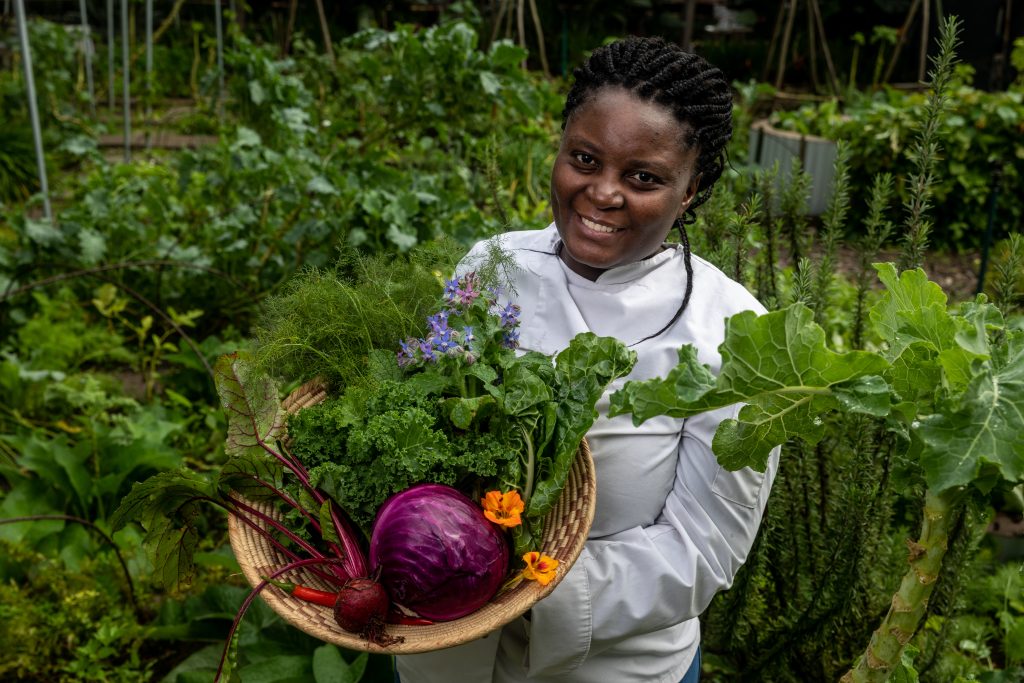
Meet Jane Nshuti: Food Educator, Storyteller and Chef
Jane describes herself as an African food educator who specializes in plant-based food and the discovery of indigenous African ingredients.
She is also a chef and storyteller.
Food has been part of Jane’s life from a very young age. Born in Rwanda, she first became interested in cooking by watching her older brother.
Later, after losing her parents, cooking became one of her responsibilities within the family.
Jane and her siblings also spent time living in a refugee camp. Her older siblings would go out to find food, while Jane stayed behind and made meals from whatever they were able to bring back.
Her connection with cooking continued as she moved around Africa.
When Jane and her brother later went to live with their uncle in Kenya, she could not speak English or Swahili. This made it difficult to connect with other children.
The kitchen became her safe place.
As Jane explains in the episode, food and cooking became her comfort zone.
What started as a responsibility slowly became a passion and, eventually, her life’s work.
The Plant-Based Truth: Africa’s Naturally Vegan Heritage
One of the most interesting parts of the conversation is Jane’s explanation of how naturally plant-based many traditional African foods already are.
Cassava leaves, grains, beans, vegetables, greens and other foods from the land have fed African communities for generations.
Jane explains that meat was historically not something people necessarily ate every day. It was more commonly associated with ceremonies and special occasions.
Cattle could also represent wealth. As Jane points out, it would make little sense for someone to simply eat their wealth every day.
Today, meat is much easier to buy. However, many traditional African dishes still have a strong plant-based foundation.
For vegan travelers and anyone interested in vegan African recipes, there is a huge amount to discover.
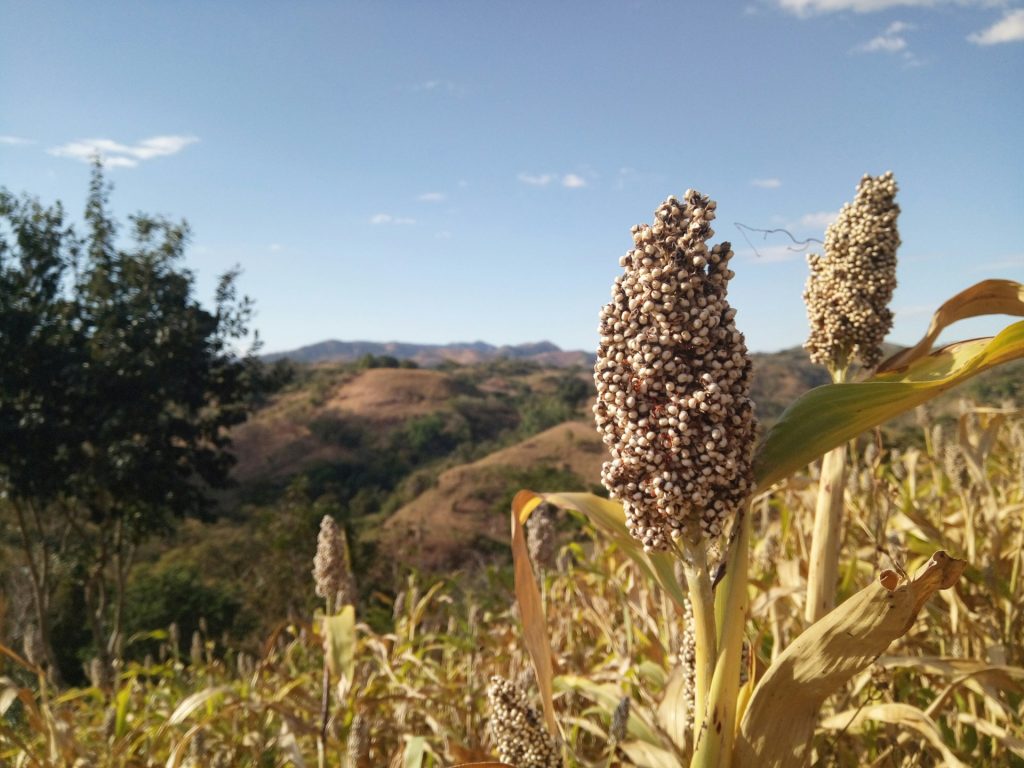
Indigenous African Foods: Sorghum, Fonio, Teff and Bambara Beans
Jane is especially passionate about indigenous African foods.
These ingredients are nutritious and versatile. Many are also able to grow in difficult conditions.
Sorghum: Much More Than Porridge
Jane recommends starting with sorghum.
Growing up, she mainly knew sorghum as a breakfast porridge. As an adult, she began exploring many more ways to use it.
Today, her family may eat sorghum instead of rice. She also mentions sorghum bread and even sorghum popcorn.
For anyone exploring African plant-based cuisine, sorghum is a useful grain to learn about and experiment with.
Fonio Grain and Teff
Jane also highlights fonio grain and teff.
These indigenous grains have been part of African food cultures for generations.
Jane is particularly interested in the way crops such as these can grow with relatively little water and cope with drought.
She describes them as foods for the future.
Bambara Beans: Versatile and Protein-Rich
Another ingredient Jane wants more people to discover is Bambara beans, also known as Bambara nuts.
They grow underground in a similar way to peanuts.
Jane compares their versatility to chickpeas. She uses them in curries, makes hummus with them and even turns them into burgers.
They are an important part of her family’s diet.
Why These Crops Matter
For Jane, indigenous ingredients are about much more than flavour.
Many are well suited to African growing conditions and can cope with periods of drought.
That makes them particularly interesting at a time when climate change and food security are becoming increasingly important issues.
Rather than constantly searching for new food solutions, Jane’s perspective reminds us that valuable answers may already exist within traditional food cultures.
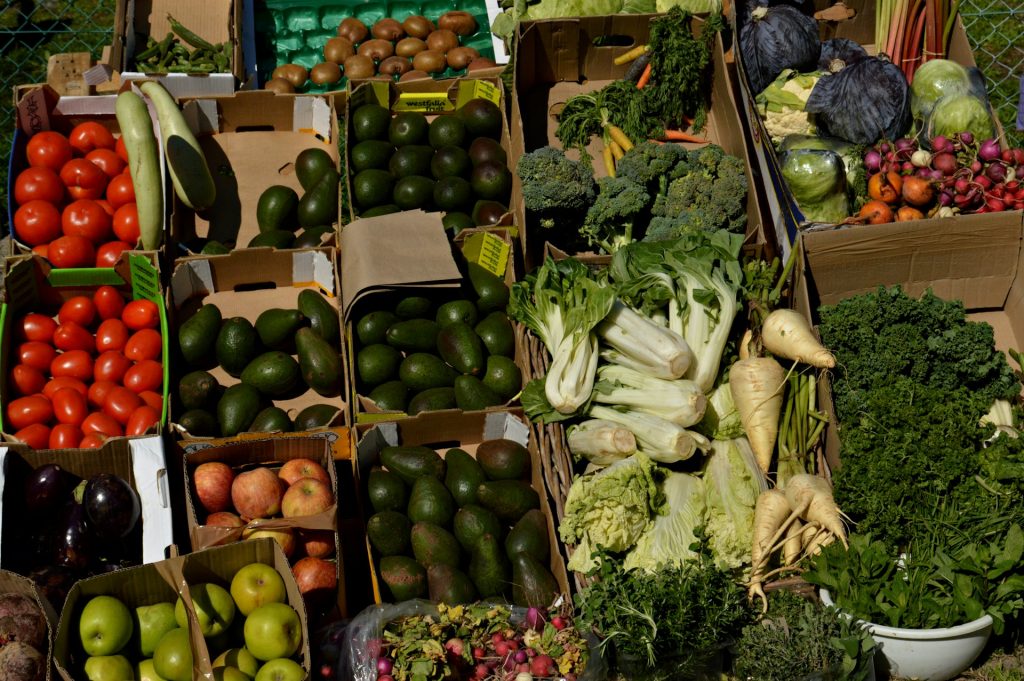
Rwandan Vegan Food and Other Regional Highlights
Africa is a vast continent, and its food traditions vary enormously from one country and region to another.
When Brighde asks Jane which areas stand out for plant-based food, several come to mind.
Ethiopia is an obvious example. Religious fasting traditions have helped create a wide range of dishes that do not contain animal products.
Jane also points to Rwanda.
She describes the traditional Rwandan diet as simple and naturally based around foods with relatively few animal products.
Neighbouring Uganda shares some similarities while also offering plenty of variety.
West African cuisines also contain an abundance of vegetables, grains and other plant foods.
Jane uses egusi soup as an example. Although meat may often be added, she makes a delicious version without it.
These examples show how much potential exists for travelers who want to explore traditional and Rwandan vegan food, as well as plant-based dishes from across the continent.
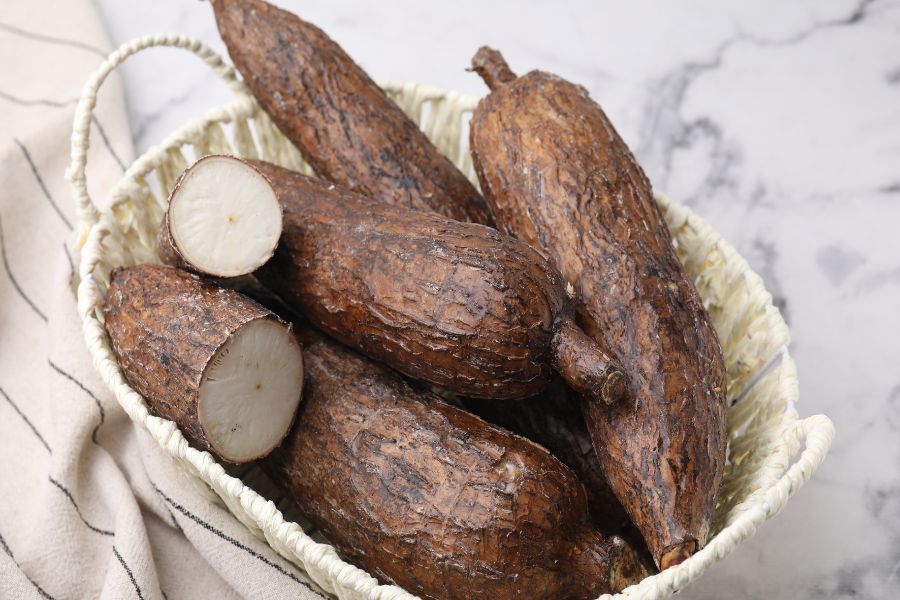
Eating the Whole Plant
Jane also talks about an approach to food that reduces waste.
In many traditional African kitchens, more than one part of a plant may be eaten.
With cassava, for example, both the roots and leaves can be used.
Bean leaves, sweet potato leaves and pumpkin leaves can also become part of a meal.
Jane particularly loves pumpkin leaves.
This way of eating creates variety while making fuller use of the food that has been grown.
Chikanda: A Memorable Taste of Zambia
One of Jane’s most memorable food discoveries came while she was in Zambia.
A Zambian woman introduced her to chikanda, a traditional dish made from tubers with a texture and flavour Jane compares to sausage.
Jane loved it immediately.
After that, whenever someone travelled to Zambia, she would ask them to bring chikanda back for her.
Eventually, people encouraged her to learn to make it herself.
The story is a perfect example of what makes the Tamu cookbook so personal. The recipes are connected not only to places, but also to the people Jane has met along the way.
Sukuma Wiki and Memories of Kenya
Another food with a strong personal connection is sukuma wiki, a popular leafy green dish in Kenya.
As a child in Kenya, Jane spent a great deal of time in the kitchen.
She remembers watching women at home and in markets chop the greens incredibly finely.
She practiced until she could master the technique herself.
For Jane, these dishes are therefore about much more than ingredients.
They hold memories of places, people and different stages of her life.
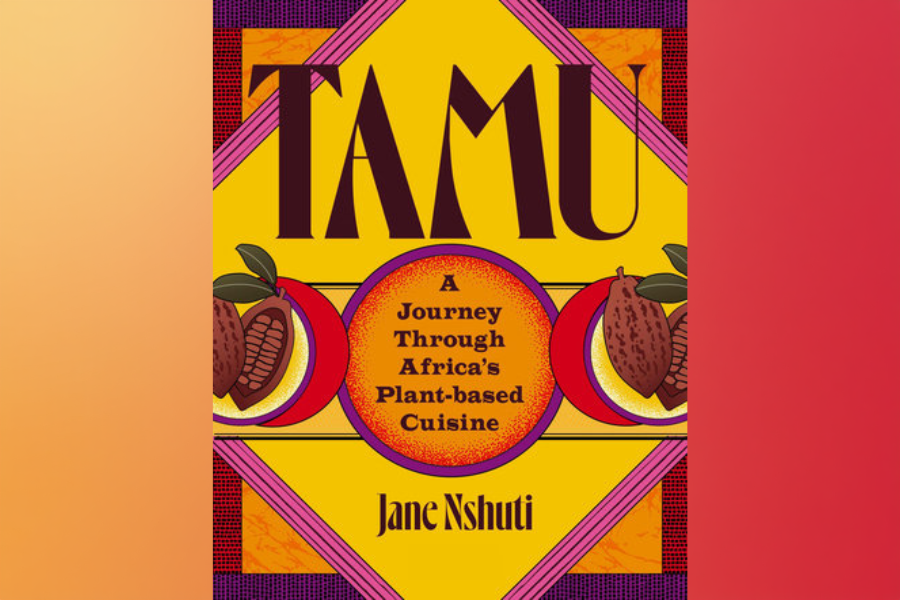
Tamu Cookbook: Preserving Stories Through Food
Jane’s Tamu cookbook did not originally begin as a cookbook.
It started as a personal journal during lockdown.
For perhaps the first time, Jane sat down and began writing about her life and everything she had experienced.
As she worked through those memories, she noticed something.
Food appeared everywhere.
Different stages of her life were connected with particular dishes, ingredients and people.
That realization changed the direction of the project.
Tamu became a collection of recipes, but also a record of Jane’s journey through Africa.
The book brings together food, personal stories and education about African ingredients and traditions.
It is this combination that makes Tamu much more than a collection of plant-based recipes.
Can Vegan Travelers Find Authentic African Food?
For vegan travelers, Jane offers some practical advice.
Finding vegan restaurants in African cities does not always mean finding traditional African food.
In Cape Town, for example, there are vegan restaurants. However, the dishes served may not necessarily focus on indigenous African cuisine.
Jane says that authentic plant-based African food is often not treated as a commercial restaurant offering, even though plant foods are such an important part of everyday diets.
Travelers may therefore need to make more of an effort.
Connecting with local people can offer a much more authentic experience.
Another option is to find a chef who specializes in traditional African food and understands plant-based cooking.
The key is to look beyond the obvious vegan restaurant search.
The Future of African Vegan Food Tourism
Jane hopes to make these food experiences easier to access.
She is planning to bring back some of the experiences she previously offered in Cape Town, including cooking classes and her African feasts.
These gatherings gave people the opportunity to enjoy a selection of plant-based dishes from different parts of Africa.
Experiences like these can help travelers understand a destination through its food while also learning about the culture and history behind each dish.
For vegan travelers, that offers something far richer than simply finding somewhere that can remove the meat from a meal.
Discover More From Jane Nshuti
Jane’s work shows just how much there is to discover within African plant-based cuisine.
From sorghum, fonio and Bambara beans to isombe, egusi, chikanda and sukuma wiki, the foods discussed in this episode represent only a small part of Africa’s extraordinary culinary diversity.
They also carry stories.
Stories of family, movement, resilience, tradition and the people Jane has met throughout her life.
You can discover more of those stories and recipes in Jane’s cookbook, Tamu.
You can also follow Jane on Instagram at @tamubyjane, where she shares more about African food, cooking and her work.
And, of course, listen to the full episode of The World Vegan Travel Podcast to hear Jane tell these stories in her own words.
Learn More About What is Discussed on the Podcast
- Tamu by Jane Nshuti – Learn more about Jane’s cookbook, which combines African plant-based recipes with stories from her life and travels across the continent.
- Sorghum, fonio, teff and other African grains – The FAO explores how traditional grains can contribute to nutrition, food security and climate resilience.
- Bambara groundnuts – Discover why this indigenous African legume is attracting attention for its nutrition and ability to grow under challenging conditions.
- Chikanda – Learn more about the traditional southern African dish made using orchid tubers. This is also an interesting read because it discusses conservation concerns connected with increasing demand for wild-harvested orchids.
- Follow Jane and Tamu by Jane – Jane shares more of her African plant-based cooking, food stories and work on Instagram.
Other World Vegan Travel Content Connected With This Episode
- Elephant Conservation in South Africa | A Scientist’s Mission
- The First Plant-Forward Safari Lodge in Africa | Helene Sinisterra
- Exploring Vegan Hospitality in South Africa: An Interview with Marian from Old Joe’s Kaia
- The Timbavati, Game Reserve in South Africa – A Vegan Paradise | Hayley Cooper | Ep 114
- Five Best Places in South Africa to see The Big Five | Ingrid Geertsema | Ep 105
- Vegan Safari Botswana vs Greater Kruger Guide
- Greater Kruger Vegan Safari | Our Scouting Trip
- Discovering Mauritius: A Vegan Paradise | Heather Drummond