

Chocolate is one of life’s simple joys. From Valentine’s treats to cozy movie nights, it seems to make every occasion sweeter. But if you’re new to vegan living—or just curious—you might find yourself wondering: Is chocolate vegan? Can vegans still enjoy milk chocolate? What about white chocolate? Let’s unwrap the truth together.

🌱 What Makes Chocolate Vegan (or Not)
At its core, chocolate comes from the cacao bean, which is completely plant-based. The challenge comes with what gets added later.
Traditional milk chocolate includes cow’s milk or milk powder, making it unsuitable for vegans. True dark chocolate, on the other hand, often contains just cacao, cocoa butter, and sugar—no dairy at all!
When you choose dark chocolate that’s 55–85% cacao, you’re likely picking a treat that’s not only vegan but also full of antioxidants and rich flavor. In moderation, dark chocolate can even be a healthy indulgence.

🍫 The Rise of Vegan Chocolate
Not everyone loves the bold taste of dark chocolate, and that’s okay! These days, there’s a huge variety of vegan chocolates that mimic the creamy sweetness of milk chocolate—without any dairy.
Artisan chocolatiers and popular brands alike are creating vegan versions using oat milk, almond milk, and coconut milk. These plant milks bring back the smooth, melt-in-your-mouth texture we associate with traditional chocolate.
If you’re new to vegan chocolate, try experimenting with different bases—oat milk chocolate tends to be silky and sweet, while almond milk chocolate adds a nutty touch.
🤍 What About White Chocolate?
Now for a common question: Is white chocolate vegan?
Technically, white chocolate doesn’t contain cocoa solids (the part that gives chocolate its deep flavor). It’s mostly made from cocoa butter, sugar, and milk—so most versions are not vegan.
But good news! Many brands now make vegan white chocolate using plant-based milks. You can even make your own at home using cocoa butter, vanilla, and non-dairy milk powder for a sweet, creamy result.
🍫 Is Dark Chocolate Always Vegan?
Not always. While dark chocolate is often vegan by nature, some brands still add dairy ingredients or produce it on shared equipment with milk chocolate.
When in doubt, check the ingredient list and avoid:
- Milk powder
- Butterfat or butter oil
- Whey
- Skim milk or condensed milk
- Lactose
Look for a simple ingredient list—ideally just cocoa, cocoa butter, and sugar. And don’t worry about cocoa butter—the name “butter” can be misleading! It’s actually a natural plant fat from the cacao bean, not a dairy product.
🍬 What About the Sugar in Chocolate? Is It Always Vegan?
Sugar comes from plants, so you’d think it would always be vegan — but sadly, that’s not always true.
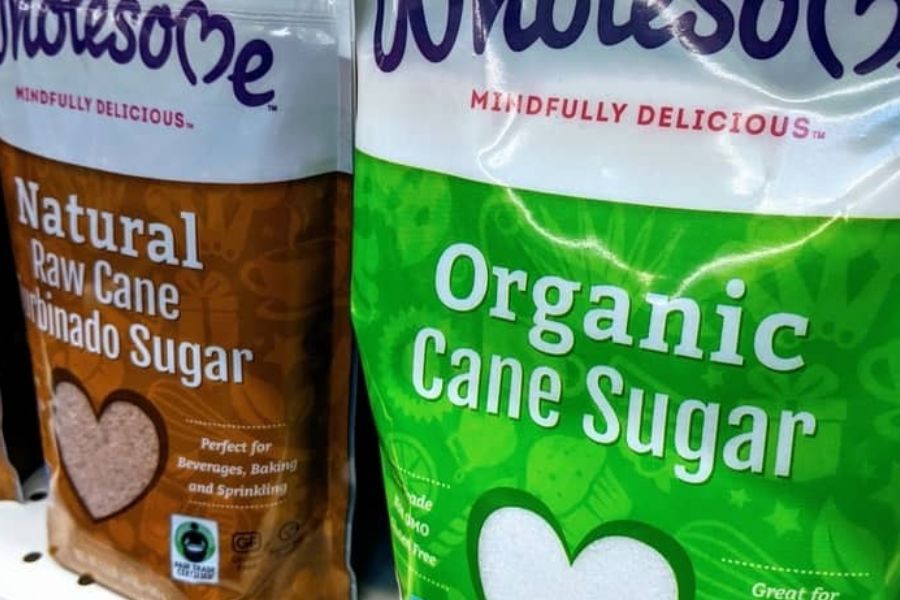
Some refined cane sugar is processed using something called bone char, which is basically a type of carbon made from the bones of cattle. It’s used to filter and whiten the sugar. The final sugar doesn’t contain the bone char itself, but many vegans still avoid it because the process isn’t considered cruelty-free.
But don’t worry — not all sugar is made this way:
- Sugar beet sugar is never filtered through bone char.
- Turbinado (raw) sugar from cane is also not processed with bone char.
- Organic cane sugar is required to use non-animal carbon filters — so it’s usually a safe vegan choice.
Most companies that make certified vegan chocolate already know about this issue, so you can feel confident they are choosing organic or bone-char-free sugar.
But sugar isn’t the only thing vegans need to think about when choosing chocolate.
The biggest concern actually comes from the main ingredient itself: cocoa.
🥛 Dairy Ingredients to Watch Out For
Even if a chocolate bar looks dark and “simple,” sneaky dairy ingredients can still show up on the label. Here are the most common ones you might see — and what they actually mean:
| Ingredient | What It Is |
|---|---|
| Skim Milk | Fat-free cow’s milk. Still dairy, just with the fat removed. |
| Butterfat | The fatty part of cream. Used to make chocolate richer. |
| Whey | A protein left over from making cheese. Very common in chocolate. |
| Butter Oil | A concentrated form of dairy fat, with all the water removed. |
| Milk Powder | Dehydrated milk. A common cheap filler in chocolate. |
| Lactose | A natural sugar found in dairy milk. |
| Malted Milk Powder | A mix of malted grain and milk solids. |
If you see any of these on the ingredient list, the chocolate isn’t vegan.
And remember: cocoa butter is NOT dairy, even though the name sounds confusing. It’s just a natural fat from the cacao bean — totally vegan.
🪶 Other Hidden Non-Vegan Ingredients
Even if a bar looks vegan, there can be surprises. Some glossy candies or chocolate-coated snacks are covered with confectioner’s glaze, also known as shellac—a shiny coating made from insects. It can appear on labels under names like resinous glaze or E904.
Always double-check the label if you want to be sure your chocolate is 100% vegan-friendly.
🍰 Baking with Vegan Chocolate
Here’s the best part: vegan chocolate bakes just like regular chocolate!
Whether you’re melting it for brownies, whisking it into hot cocoa, or sprinkling chocolate chips into cookies, you can use vegan chocolate in the same way.
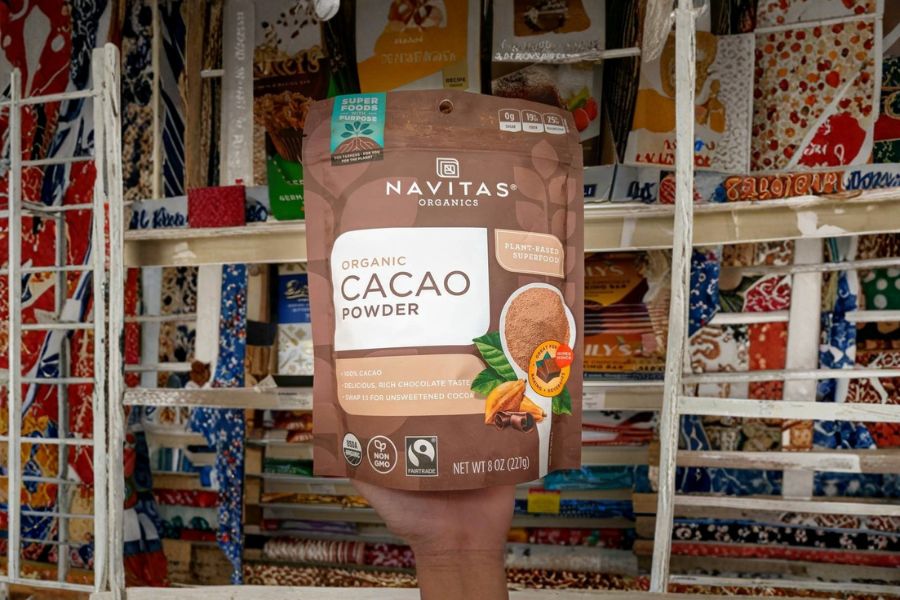
Most cocoa powder is naturally vegan, too—just make sure it doesn’t contain added milk solids.
🌍 The Ethics Behind Your Chocolate
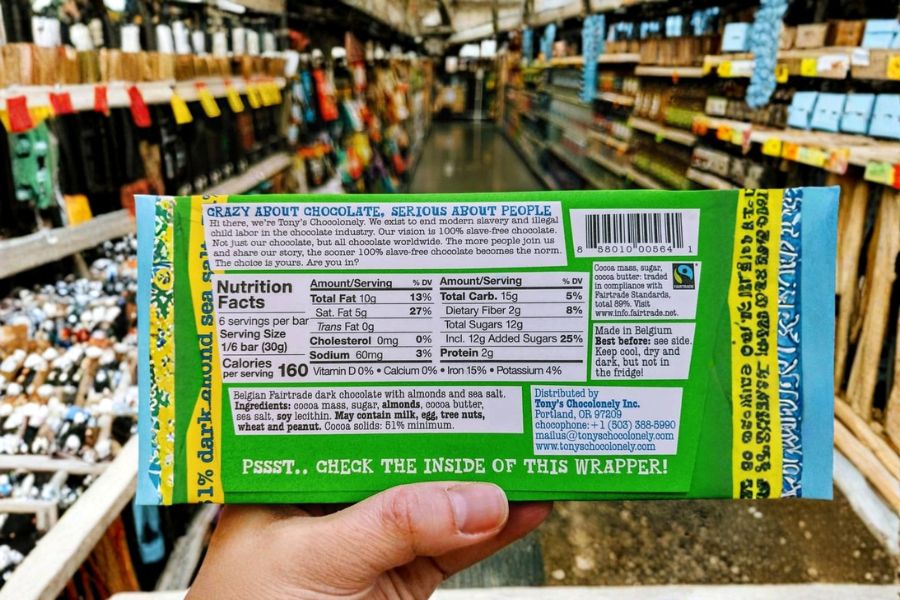
Being vegan isn’t only about what we eat—it’s also about how our food is made. Unfortunately, the chocolate industry has a dark side. Many cocoa farms, especially in West Africa, have been linked to child labor and unfair working conditions.
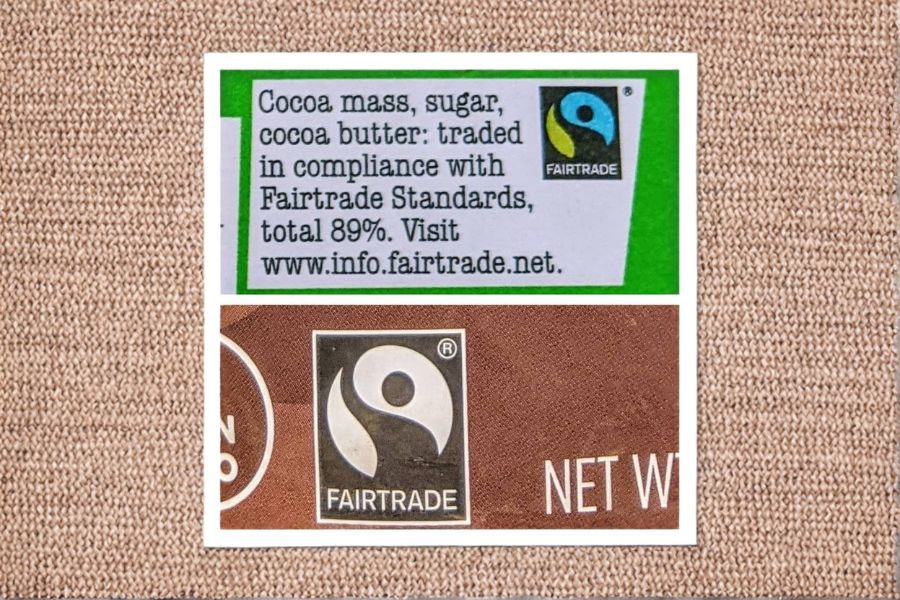
To make sure your sweet treat aligns with your values, look for chocolates with a Fairtrade or Rainforest Alliance certification. These labels mean that farmers are paid fairly and ethical labor standards are followed.
🌴 What About Palm Oil?
Most pure chocolate bars don’t include palm oil, but fillings or coated treats might. Palm oil can contribute to deforestation and habitat loss. If possible, choose chocolate brands that avoid palm oil entirely or use sustainably sourced palm oil.
A quick look at the label can tell you a lot—and every small choice helps.
💚 The Future of Vegan Chocolate
Vegan chocolate has come a long way from the days of carob “substitutes.” Today, you can find vegan dark, milk, and even white chocolate in most stores. Whether you’re vegan for the animals, the planet, or your health, there’s never been a better time to enjoy chocolate guilt-free.
Next time someone asks, “Is chocolate vegan?” you can smile and say, “Yes—if you pick the right one!”
🍫 Let’s Discuss!
Do you have a favorite vegan chocolate brand? Or a go-to recipe using vegan cocoa? We’d love to hear from you—share your thoughts in the comments below!
💌 Join the World Vegan Travel Newsletter
Want more easy vegan swaps, recipes, and travel inspiration?
🌱 Subscribe to our newsletter for insider tips, destination guides, and updates from our vegan community around the world.
💫 You Might Also Like
- 🥗 10 Tips for Hosting a Vegan During the Holidays — Expert advice for welcoming vegan guests with ease and flair.
- 🍫 Is Bailey’s Vegan? — Explore vegan Irish cream alternatives and dairy-free ways to enjoy your favorite drink.
- ✈️ 4 Show-Stopping Turkey Alternatives for the Holidays — Delicious vegan roasts that make holiday meals memorable.