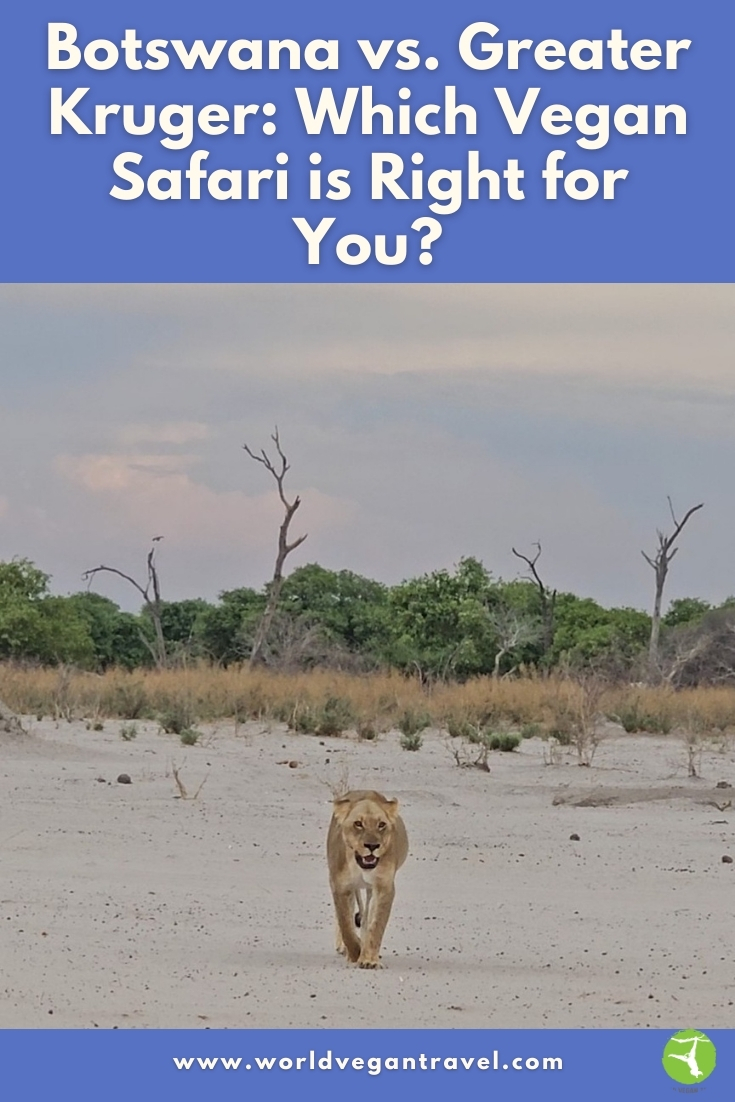
Botswana vs Greater Kruger is one of the most common questions we hear from vegan travelers choosing between two very different safari experiences in Africa. At World Vegan Travel, we’ve spent years scouting both regions to make sure our trips are not only luxurious, but also deeply aligned with ethical values.
Some travelers are drawn to the watery wilderness of the Okavango Delta and the dry, open landscapes of Savute. Others are curious about the frontline of wildlife protection in Greater Kruger, where conservation teams work every day to protect vulnerable species.
In this guide, we compare these two iconic destinations so you can decide which vegan safari is right for you — or whether it might be time to experience both.
Quick comparison: Botswana vs Greater Kruger
- Botswana offers remote, water-based safari experiences
- Greater Kruger focuses on high-density wildlife sightings
- Botswana feels wild and isolated
- Greater Kruger combines wildlife with wellness and comfort
- Both offer exceptional vegan food and ethical travel
1. Botswana vs Greater Kruger: Landscape & Wildlife Differences
The first thing you’ll notice is how the ground (or water) feels beneath you.
Botswana (The Okavango Delta & Savute):
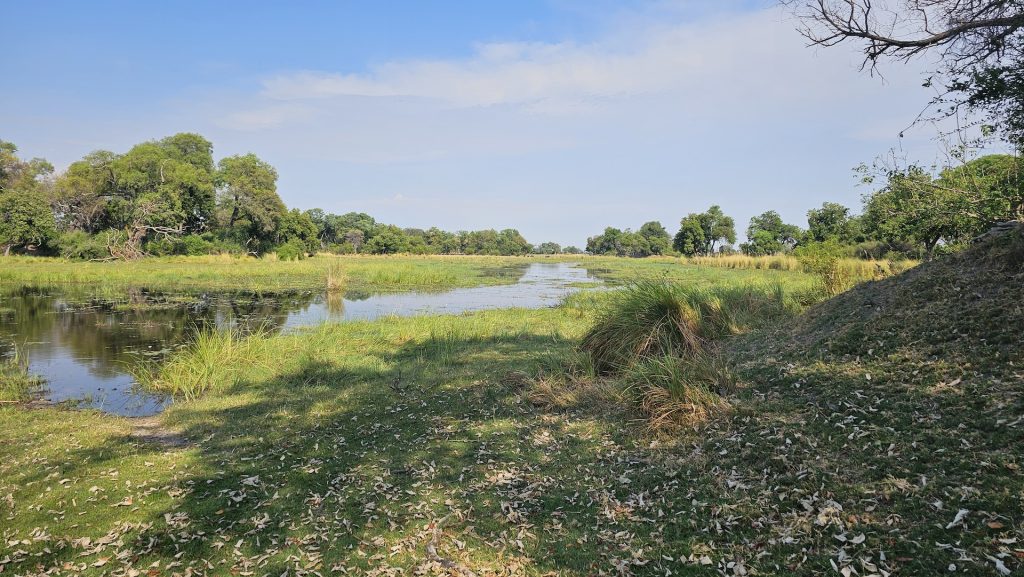
Traveling through Botswana feels like stepping into a world untouched by time. In the Okavango Delta, water shapes everything. You move through seasonal floodplains in a mokoro, gliding past water lilies and tiny reed frogs.
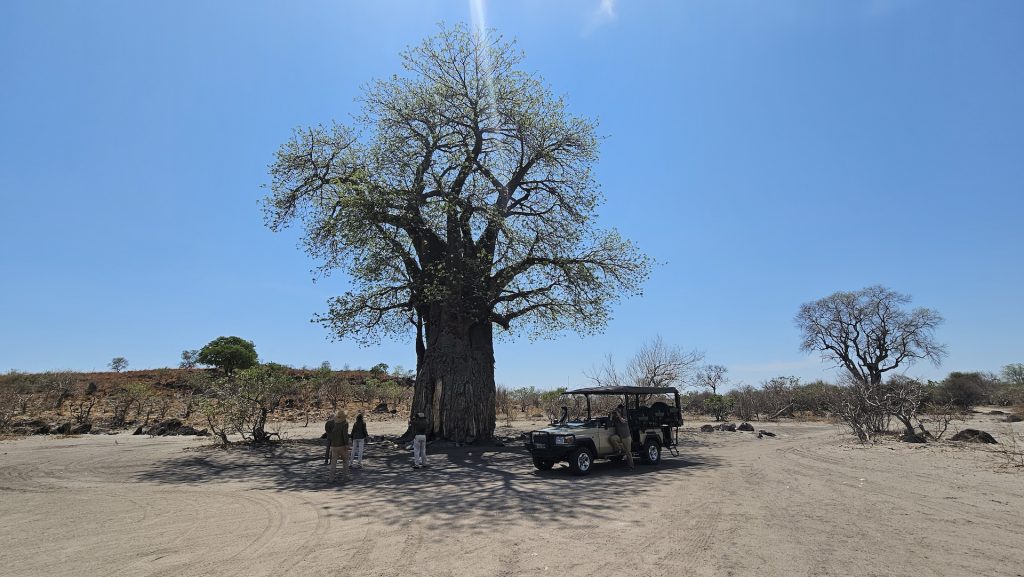
The atmosphere is quiet, remote, and vast. When the journey continues to Savute, the landscape changes. Here, you’ll see dry plains, ancient camelthorn trees, and large elephant herds. This is the kind of place where you can truly feel “lost” in the best way.
Botswana does not currently have rhinos in this region. They were relocated during the pandemic, which means you will not see the full Big Five on this safari. This makes Botswana ideal for travelers who value space, silence, and immersion in nature.
Greater Kruger (Mvuu & Timbavati):
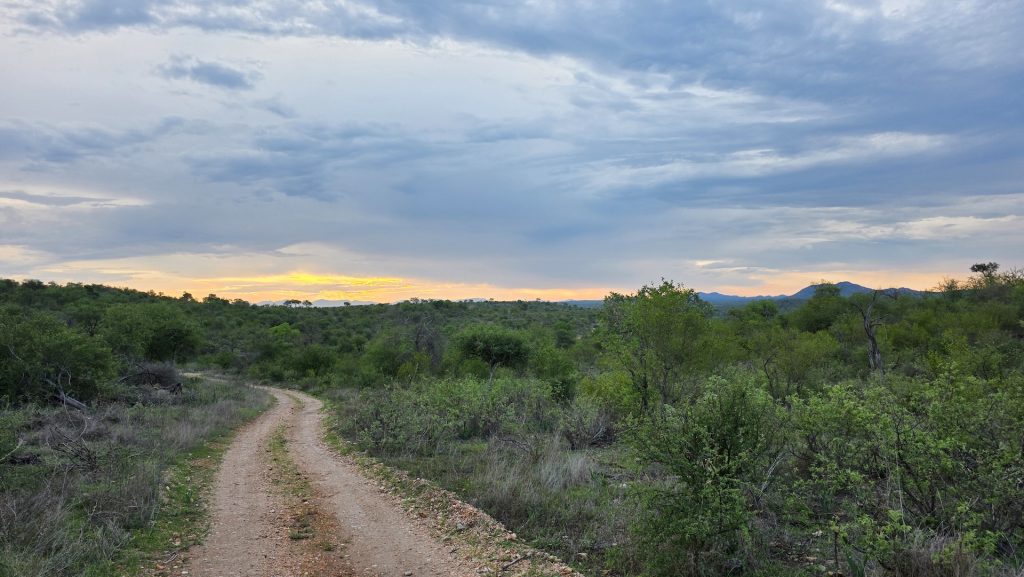
The Greater Kruger isn’t just one park; it’s a massive collection of private reserves like the Mvuu and Timbavati that share an open border with Kruger National Park. The bush is denser here—classic African “savanna” with thickets and riverbeds. While Botswana feels like a wilderness, Kruger feels like a wildlife powerhouse. Because the animals are well-habituated to vehicles in these private reserves, you often get incredibly close, lingering sightings of leopards, lions, and rhinos.
The Key Difference:
- Choose Botswana if you want a sense of isolation, diverse ecosystems (water and desert), and the magic of small bush-plane transfers.
- Choose Greater Kruger if you want high-density “Big 5” sightings and are interested in seeing the realities of modern wildlife protection up close.
2. Botswana vs Greater Kruger: Ethics and Conservation
For the conscious traveler, the choice between these destinations often comes down to the kind of “conservation story” you want to be a part of.
Botswana: The “High Value, Low Volume” Model
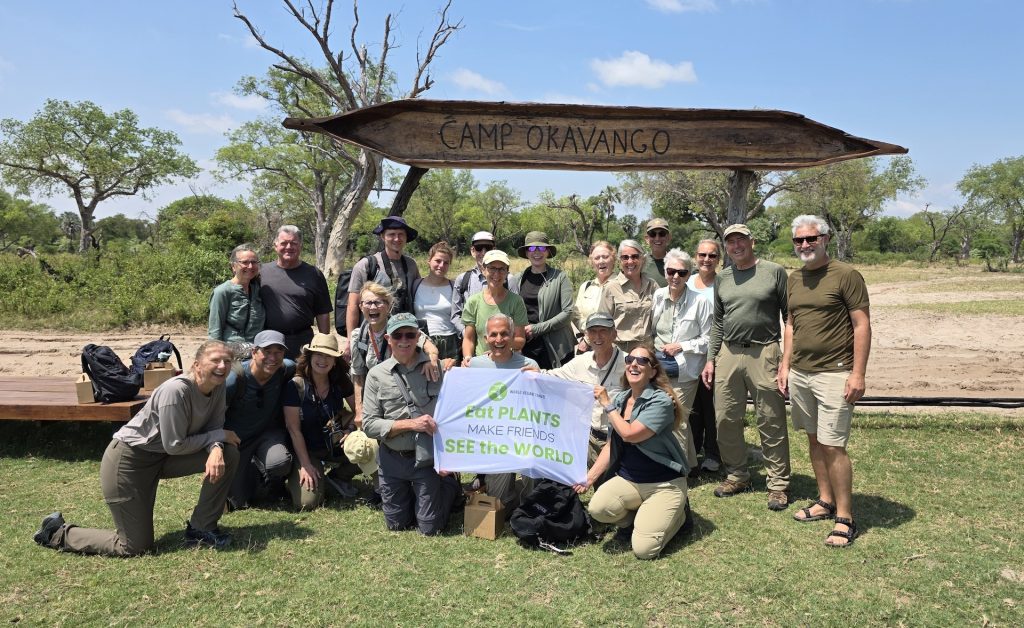
In Botswana, particularly in the private concessions of the Okavango Delta and the little visited Savute National Park, conservation is built into the business model. By keeping tourist numbers extremely low and prices high, the country protects vast, unfenced wilderness areas from the pressures of human encroachment. When you are at a place like Camp Moremi or Camp Okavango, you are witnessing an ecosystem that is “preserved by absence.” It feels like a prehistoric world where nature still holds all the cards.

Greater Kruger: Frontline Education and Resilience
While Botswana offers an escape from the modern world, Greater Kruger offers an education on how to protect it. This region is a global hotspot for animal protection because it sits on the frontline of the poaching crisis.
Staying at a lodge like Kings Camp or the dedicated vegan accommodation at Sashwa puts you in the heart of this active work. On our 2027 trip, we don’t just look at animals; we learn from the people guarding them.
- The Black Mambas: You’ll have the opportunity to meet Africa’s first all-female anti-poaching unit—heroic women who use non-violent methods and community education to protect the local rhinos.
- The “Frontline” Context: In Kruger, you might see the physical reality of protection—from anti-poaching flight patrols to the “snare gardens” used to educate locals and travelers alike.


The Key Difference:
- Choose Botswana if you want the soulful experience of a remote, “untouched” wilderness where the protection is the isolation itself.
- Choose Greater Kruger if you want to understand the complexity of modern animal protection and support active, community-led conservation projects while you travel.
3. Botswana vs Greater Kruger: Safari Luxury Compared
One of the biggest misconceptions about African safari is that “camping” means roughing it. On our trips, the accommodations are essentially high-end, full-service hotels located in remote wilderness areas. However, the style of luxury between Botswana and Greater Kruger is remarkably different.
Botswana: The “Remote & Rustic” Luxury
In Botswana, particularly at places like Camp Moremi and Savute Safari Lodge, the luxury is defined by its remoteness. You are staying in a “camp” that has been meticulously designed to blend with the landscape.
- The Rooms: These are not your average tents. Think massive, elevated suites with deluxe bedding, wooden floors, and private decks.
- The Vibe: Because of the extreme remoteness, there is no air-conditioning (high-powered ceiling fans are the norm), and power is often solar-based or provided by quiet generators. We never have had complaints about the heat.
- Common Areas: These lodges typically feature open-air dining decks, a small swimming pool for the heat of the day, and a library or reference lounge filled with wildlife books.
- The Experience: You are deeply “in” the bush. It’s normal to have “bush roommates” like geckos or bats, and at night, you must be escorted to your room by a staff member because dangerous animals can and do walk through the camp grounds.
Greater Kruger: The “Wellness & Heritage” Luxury
Our South Africa itinerary features two lodges that couldn’t be more different from each other—or from the Botswana model.
Kings Camp (Timbavati): “Vegan Hospitality Heaven”
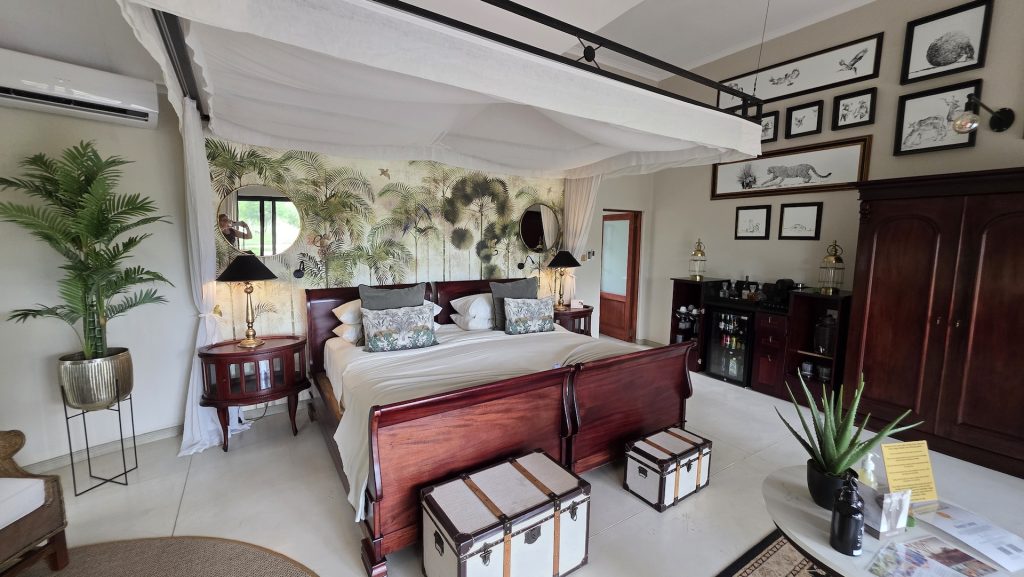
Kings Camp offers a classic, ultra-elevated safari experience. Here, the focus is on impeccable service and “veganized” traditional luxury. You can expect high-speed Wi-Fi, air-conditioning, and a level of polish that feels like a five-star boutique hotel, despite being surrounded by one of the densest wildlife populations on earth.


Sashwa (Mvuu): “The Wellness Sanctuary”
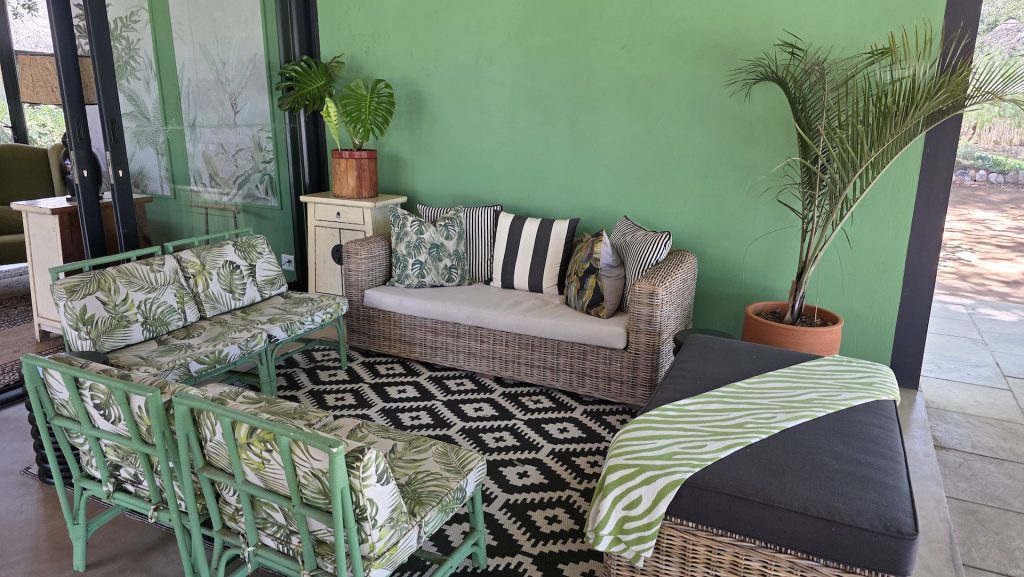
Sashwa is where the “New Safari” lives. It is a 100% vegan sanctuary focused on wellness, conservation, and deep rest.
- The Rooms: Every suite is unique, featuring artistic touches like hand-painted murals (the Eagle Suite features a stunning leopard) and luxurious claw-foot bathtubs.
- Facilities: Unlike more traditional camps, Sashwa offers a full yoga studio, a spa tucked among the trees, and a curated boutique shop.
- The Atmosphere: It feels less like a hotel and more like a nature-based wellness sanctuary where the daily rhythm is defined by meditation and mindfulness as much as it is by wildlife.
The Key Difference:
- Choose Botswana if you want to feel the raw, unplugged heartbeat of the wilderness and don’t mind a slightly more “rustic” (but still very comfortable) edge.
- Choose Greater Kruger if you want high-luxury comforts (like AC and specialty spa treatments) and a focus on wellness alongside your wildlife viewing.
5. Botswana vs Greater Kruger: Vegan Dining Styles
Beyond the ingredients, the way you eat on safari completely changes the atmosphere of your trip. Our Greater Kruger and Botswana itineraries offer two distinct service styles, from white-linen elegance to open-air communal feasts.
Kings Camp (Timbavati): “Classic Elegance”
Dining at Kings Camp is a sophisticated, high-touch affair. There are no buffets here; instead, the focus is on personalized, restaurant-quality service.
- The Service: Every meal—breakfast, lunch, and dinner—is a sit-down, plated experience with dedicated serving staff.
- The Setup: Expect crisp table cloths, sparkling glassware, and a refined atmosphere.
- The Location: The camp often surprises guests by moving the dining location, perhaps setting up a formal table in a different part of the lodge grounds to keep the experience fresh and magical.


Sashwa (Mvuu Game Reserve): “The Refined Restaurant”
Sashwa elevates the dining experience further by blending the polish of a high-end restaurant with a “wellness retreat” soul.
- Plated Breakfasts: Mornings start with beautiful, individual plates of fresh plant-based creations.
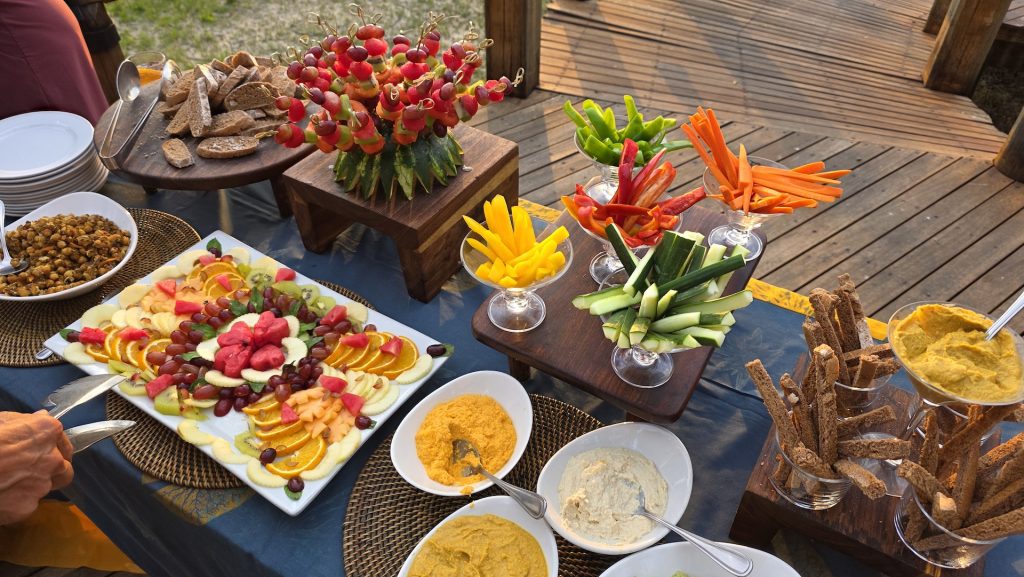
- “Harvest-Style” Lunches: Lunch is served harvest-style—a more modern, generous way of dining where large, abundant platters of fresh salads, grains, and roasted vegetables are presented for the table, encouraging a sense of shared culinary discovery.
- Refined Dinners: Dinner is a formal sit-down affair that feels truly like a boutique dining destination.
- Dynamic Settings: Like Kings Camp, Sashwa embraces variety, occasionally hosting traditional South African BBQs (veganized, of course!) or setting up atmospheric dinners in unique outdoor locations.
Botswana: The “Safari Family” Buffet
In the remote camps of Botswana, the atmosphere is intentionally more relaxed and communal, reflecting the “lodge family” culture of the region.
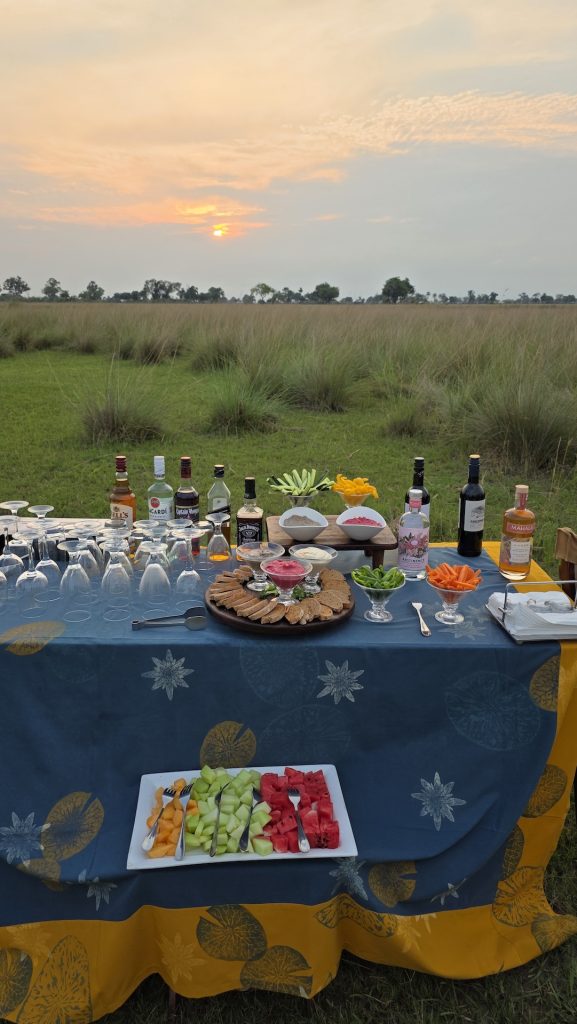
- Family-Style Dining: Most meals follow a sophisticated buffet format, allowing you to sample a wide variety of dishes in a more casual setting.
- Hosting Tradition: One of the most special parts of the Botswana experience is that members of the hosting team—your guides or camp managers—often join the group for breakfast, brunch, and dinner. This is your time to ask “burning questions” about the bush or local life.
- The Table Flow: While the main courses are buffet-style, your appetizers and desserts are typically served directly at the table, maintaining a touch of luxury.
- The Setting: Meals are enjoyed in a beautiful, open-air but covered dining area, allowing you to feel the breeze and hear the sounds of the Delta while you eat.


The Key Difference:
- Choose Greater Kruger if you prefer the polish of plated, restaurant-style service and food with a formal flair.
- Choose Botswana if you love the communal, storytelling aspect of safari and want to share your meals—and your day’s sightings—with your guides and fellow travelers in a more relaxed “family” environment.
6. Transportation & Getting Around: The Bush Plane vs. The Road
The way you move between camps is perhaps the most visceral difference between a Botswana and a Greater Kruger safari. It affects everything from your view of the landscape to the “luggage math” you’ll have to do while packing.
Botswana: The “Puddle Jumper” Adventure
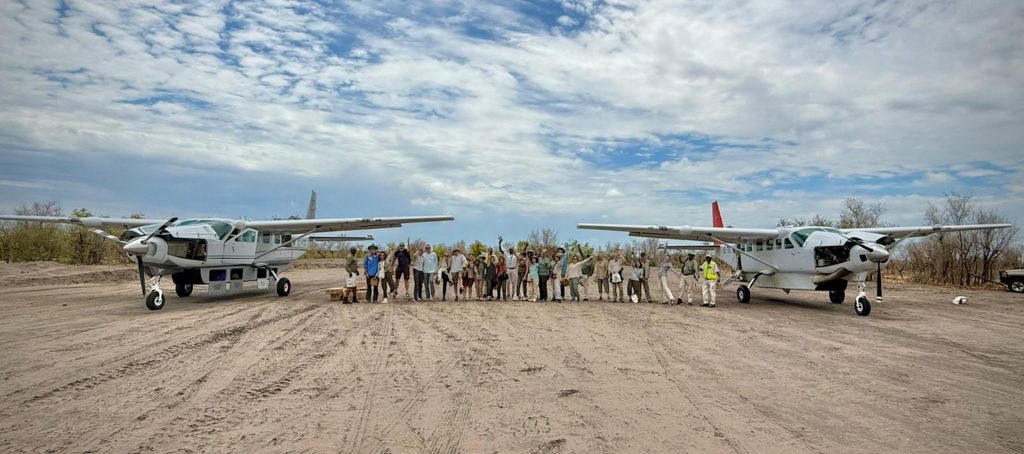
In Botswana’s Okavango Delta, the landscape is so dominated by water that roads often don’t exist between camps. Your “taxi” is a small, 5- to 13-seat light aircraft, like a Cessna Grand Caravan.
- The Experience: These “bush flights” are a highlight in themselves. You’ll fly low over the Delta and Savute, spotting elephant herds and winding papyrus channels from the air.
- The Luggage Reality: Because these planes are small, there is a strict 20kg (44lbs) limit for the checked in bags that go under the plane. Your bags must be soft-sided with no rigid frames or wheels so they can fit into the plane’s small “belly pods”.
- The Logistics: Flights are unscheduled “shuttles” that may stop at other dirt airstrips to drop off other guests before reaching your camp.

Greater Kruger: The Seamless Connection
South Africa’s Greater Kruger region has an excellent infrastructure of paved roads and regional airports, making the travel feel more like a traditional luxury vacation.
- The Experience: To reach Kings Camp or Sashwa, we’ll fly into Hoedspruit Airport on a standard regional jet (with normal luggage bins) and then take a comfortable, road transfer to the lodge.
- The Luggage Reality: While regional flights still have weight limits (usually around 20kg), they are much more forgiving regarding the type of bag you use. You don’t necessarily need to abandon your favorite rolling suitcase for a duffel bag, though soft bags are still recommended for ease of transport in the safari vehicles.
- The Logistics: The drive from the airport to the lodge is an experience of its own—often serving as your very first “bonus” game drive as you enter the reserve gates.
The Key Difference:
- Choose Botswana if you love the thrill of small planes and are happy to pack light in exchange for jaw-dropping aerial views of the wilderness.
- Choose Greater Kruger if you prefer the ease of standard luggage, air-conditioned transfers, and a more straightforward travel day.
7. The Vegan Dining Experience: Logistics vs. Abundance
For many of our travelers, the food is just as much an “adventure” as the safari itself. However, the way your meals reach your table in Botswana versus South Africa is a story of two very different worlds.
Botswana: The Logistical Feat
In the remote reaches of the Okavango Delta, every fresh ingredient is a victory of logistics. Because our camps are only accessible by small bush planes, most produce must be flown in.
- Supply Chain Realities: Botswana has strict laws on importing produce to protect its local agriculture, and the growing seasons are not as diverse as in South Africa. We have even seen times when the entire country has temporarily run out of basics like lettuce or green beans!
- The Experience: Dining here is about incredible creativity under pressure. The chefs are masters at making “magic from the air,” ensuring you have fresh, vibrant meals even in the middle of a flood-plain. However, travelers should bring a sense of flexibility—if we eat a lot of a specific artisanal product, the camp might simply run out until the next flight arrives.
Greater Kruger: The Land of Abundance
South Africa is a culinary powerhouse with diverse growing zones that allow almost anything to be grown locally. Because our lodges like Kings Camp and Sashwa are accessible by road, the “logistical headache” disappears, replaced by a world of variety when it comes to variety of produce and specialty ingredients..
- Access to Specialty Ingredients: We are incredibly lucky in the Greater Kruger. The nearby town of Hoedspruit actually has a specialty vegan store! This means our chefs can easily source high-quality nut cheeses, specialized meat alternatives, and artisanal plant-based products that are much harder to find in the Delta.
The Key Difference:
- Choose Botswana if you appreciate the “miracle” of fresh, delicious food in one of the most remote places on Earth and don’t mind a “flexible” menu based on what the bush plane brought in.
- Choose Greater Kruger if you are a “foodie” who wants the highest variety of vegan specialty products, gourmet wellness cuisine, and consistent access to a wide range of fresh South African produce.
8. Activities & The Daily Rhythm: From Waterways to Wellness
While the goal of every safari is to connect with nature, the way you do it varies immensely by location. In Botswana, your activities are dictated by the specific ecosystem of your camp, whereas in Greater Kruger, the experience is a blend of high-intensity tracking and deep, soulful wellness.


The Botswana Experience: Ecosystem-Specific Adventures
In Botswana, we choose our camps specifically to give you a full spectrum of the Delta and the desert. Because these areas are so remote, your activities are often exclusive to that camp’s location.
- Savute Safari Lodge (The Desert Pulse): Activities here are focused entirely on Game Drives. Savute is famous for its powerful elephant herds and predator activity. You’ll spend your time in open 4×4 vehicles tracking the “marsh pride” of lions or witnessing the incredible elephant density around the Savute Channel.
- Camp Moremi (Land & Water): This is where you get the best of both worlds. You’ll enjoy traditional Game Drives in the Xakanaxa area of the Moremi Game Reserve, but you also have access to the water. This is your chance for motorized boat safaris and gliding through the channels in a Mokoro (dugout canoe).
- Camp Okavango (The Water Wilderness): For a true Delta immersion, Camp Okavango is unique because it does not offer game drives. Instead, the focus is on the water and the feet. You will explore via motorized boat, Mokoro, and—most notably—Guided Walking Safaris on the islands, where you track animals on foot with an expert guide.
The Greater Kruger Experience: Tracking & Transformation
Our 2027 South Africa itinerary at Kings Camp and Sashwa offers a different kind of “multi-track” experience that balances the thrill of the hunt (with cameras!) and personal restoration.
- World-Class Tracking: Both lodges offer classic morning and afternoon Game Drives and Guided Bush Walks. Because these are private reserves, our guides can go off-road to get you closer to leopards and rhinos than is possible anywhere else.
- Frontline Conservation: This is a hallmark of our Kruger trip. We move beyond just “looking” at animals to learning how to protect them. You’ll have arranged opportunities to meet with teams like the Black Mambas (the all-female anti-poaching unit) to understand the realities of modern conservation.
- The “Luxury of Choice”: Unlike the remote Botswana camps where the “siesta” is for napping, our Kruger lodges are destinations in themselves.
- Wellness & Movement: At Sashwa, you have access to a stunning yoga studio, a spa tucked into the trees, and meditation spaces.
- Creative Spaces: For those who want to process their journey through art, there are artist studios and specialized photography studios.
The Key Difference:
- Choose Botswana if you want a “pure” wilderness experience where your activities are defined by the raw geography—moving from the dry Savute sands to the deep Delta waters.
- Choose Greater Kruger if you want a “holistic” safari that pairs high-density wildlife viewing with wellness, spa treatments, and deep dives into conservation activism.
9. Climate: The Dry Spring vs. The Green Summer
Because our trips take place in different seasons, the “feel” of the air and the visibility of the animals will shift. We always recommend researching the specific forecast for your travel dates to pack effectively.
Greater Kruger in May (The Golden Transition) Our South Africa trip is set for May, which marks the start of the dry winter season.
- The Landscape: The lush summer greenery begins to thin out and turn gold. This is “rutting season” for impalas, so expect plenty of action.
- Visibility: This is a prime time for wildlife viewing. As water becomes scarce, animals congregate around permanent waterholes, making sightings—including the Big 5—much more predictable.
- The Weather: Expect crisp, clear mornings (around 12°C / 54°F) that warm up to beautiful, mild afternoons (27°C / 81°F). It is one of the most comfortable times of year to be in the bush.
Botswana in March vs. Nov/Dec (The Green Season) Whether you join us for the “Emerald Season” in March or the transition in late year, you will experience Botswana at its most vibrant.
- The Landscape: In March, the Delta is lush and teeming with life. By November and December, the first summer rains arrive, turning the parched landscape into a verdant paradise almost overnight.
- The “Baby” Factor: November and December are the peak months for “newborn season”. You will see fields of wobbly-legged calves and foals—though be aware that predators are never far behind.
- Visibility & Birding: While thicker foliage can make tracking slightly more challenging than in the dry season, the birdlife is at its absolute peak as migratory species return.
- The Weather: These are warmer, more humid months with spectacular afternoon thunderstorms that clear the air and provide incredible light for photography.
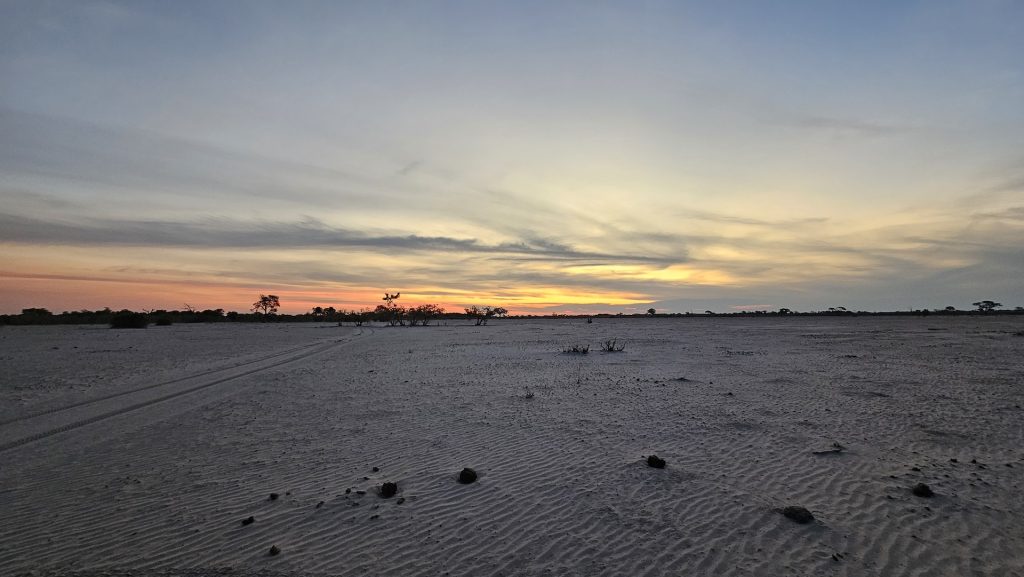
While we carefully time our group trips to capture the “sweet spots” of the African calendar, both Botswana and Greater Kruger offer unique magic throughout the year. If you are researching a private trip or looking ahead to future World Vegan Travel dates, here is what to expect in each season.
The Safari Calendar at a Glance
| Season | Botswana (Delta & Savute) | Greater Kruger (Mvuu & Timbavati) |
| Summer (Nov–March) | The “Emerald Season”: Lush, green, and teeming with baby animals. Dramatic afternoon thunderstorms and peak birdwatching. Higher humidity. | The Season of Abundance: Hot and occasionally rainy. Thick vegetation makes tracking an exciting challenge. Migratory birds are in full song. |
| Autumn (April–May) | The Drying Period: Temperatures begin to drop and the floodwaters from Angola start to arrive in the Delta.. | The Golden Transition: Mild days and crisp nights. The bush thins out, and animals begin to congregate around permanent water sources like the dams at Kings Camp. |
| Winter (June–August) | Peak Flood Season: The Delta is at its highest water level. Days are clear and sunny; nights are cold (bring a jacket!). | Prime Game Viewing: The driest time of year. Wildlife is highly concentrated around waterholes. Cold morning drives followed by perfect, sunny “t-shirt weather” afternoons. |
| Spring (Sept–Oct) | The “Dry & Wild” Season: High heat and very dry. Wildlife sightings are at their most intense as animals cluster around the remaining water. The “build-up” to the first rains. | The Frontline of Spring: The heat rises, and the first “baby” season begins. Incredible for big cat sightings (leopards and lions) as the bush is at its thinnest and easiest to see through. |
What Each Season Offers the Vegan Traveler
- For the Photographer:
- Botswana (Summer/March): Best for “Emerald” backdrops, dramatic storm clouds, and vibrant birdlife.
- Kruger (Winter/June-Aug): Best for clear, unobstructed shots of predators in the thin winter bush.
- For the Animal Lover (Babies!):
- Botswana (Nov–Dec): This is the peak “birthing season” for many herbivores.
- Kruger (Oct–Nov): Spring brings a flush of new life to the private reserves just as the first rains appear.
- For the “Comfort Seeker”:
- Kruger (May/Autumn): Our chosen time for the 2027 trip. It offers the best balance: mild temperatures (no extreme heat or cold) and excellent wildlife visibility.
Conclusion: Which Journey is Calling You?
Choosing between Botswana and Greater Kruger isn’t about finding the “best” destination—it’s about matching the adventure to your soul.
Choose Botswana if… You want to feel truly “off the grid.” You’re excited by the idea of small bush planes, water-based safaris in a mokoro, and a communal “lodge family” atmosphere where you eat under the stars with your guides. You don’t mind a slightly more “rustic” luxury and love the idea of a lush, watery wilderness.
Choose Greater Kruger if... You want the absolute pinnacle of veganized fine dining and specialized wellness. You’re interested in the “frontline” of conservation and want to meet the heroes protecting the rhinos. You prefer the comfort of air-conditioning, high-end spa facilities, and the high-density wildlife sightings that come with South Africa’s private reserves.
Whichever journey you choose, both safaris offer unforgettable wildlife, exceptional vegan food, and meaningful travel rooted in ethics and care for the natural world.